Wardrobe Lighting Ideas: Sensor LEDs, CRI & Placement for a Boutique Finish
Great lighting turns a wardrobe into a calm, curated space. With the right layers, colour temperature and controls, you’ll see everything clearly, and your finishes will look luxurious. Eco Squared designs, supplies and installs European-style wardrobes across the Sutherland Shire & surrounds, from Heathcote and Kareela to Woronora and Bundeena, planning lighting with internals, doors and mirrors for a flawless result.
Why lighting matters
Clarity: find items fast; colours render accurately.
Luxury feel: soft, even light creates a boutique atmosphere.
Photography-ready: glass doors, mirrors and metals sparkle without glare when lit properly.
The core lighting layers (and where to use them)
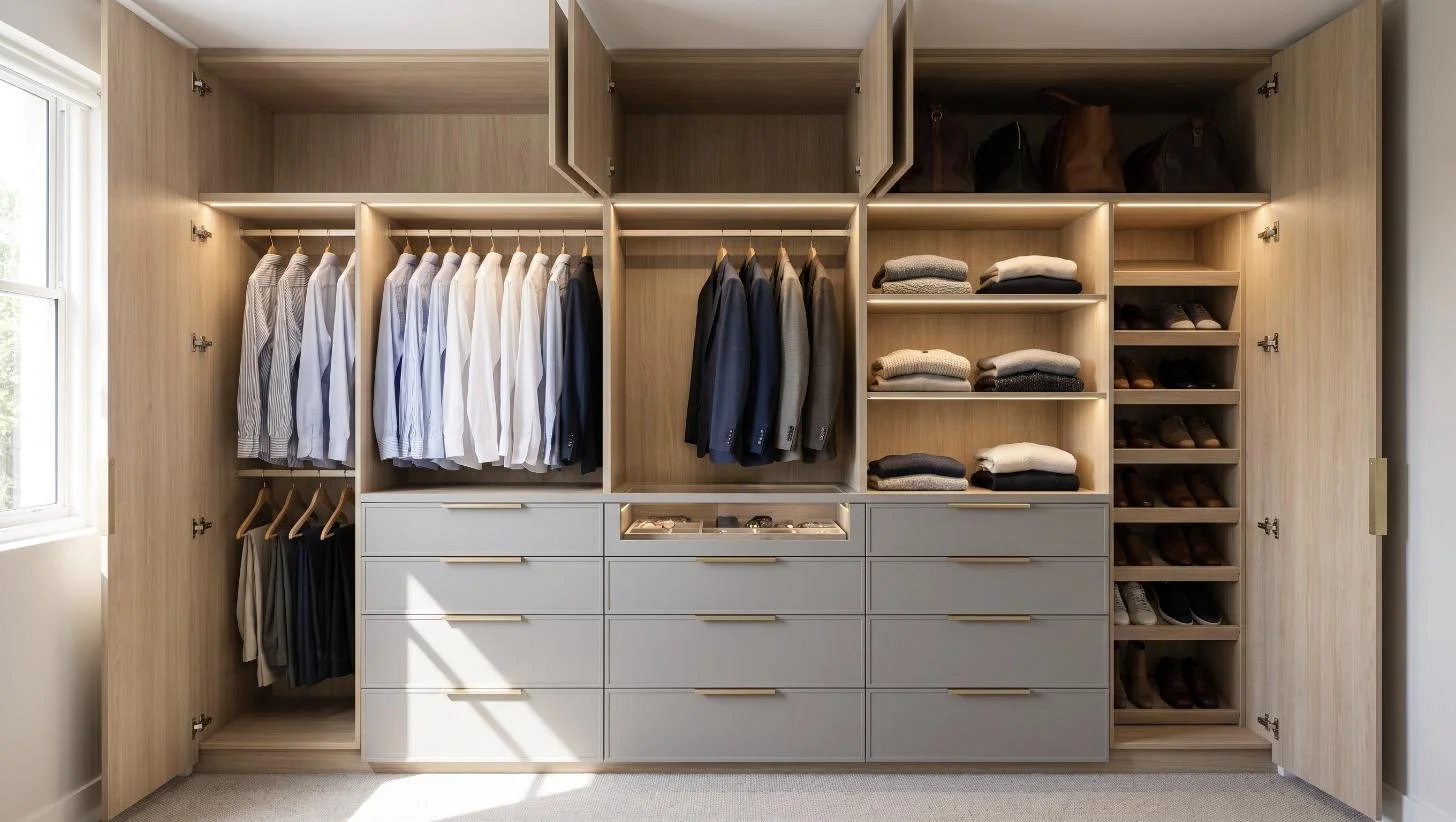
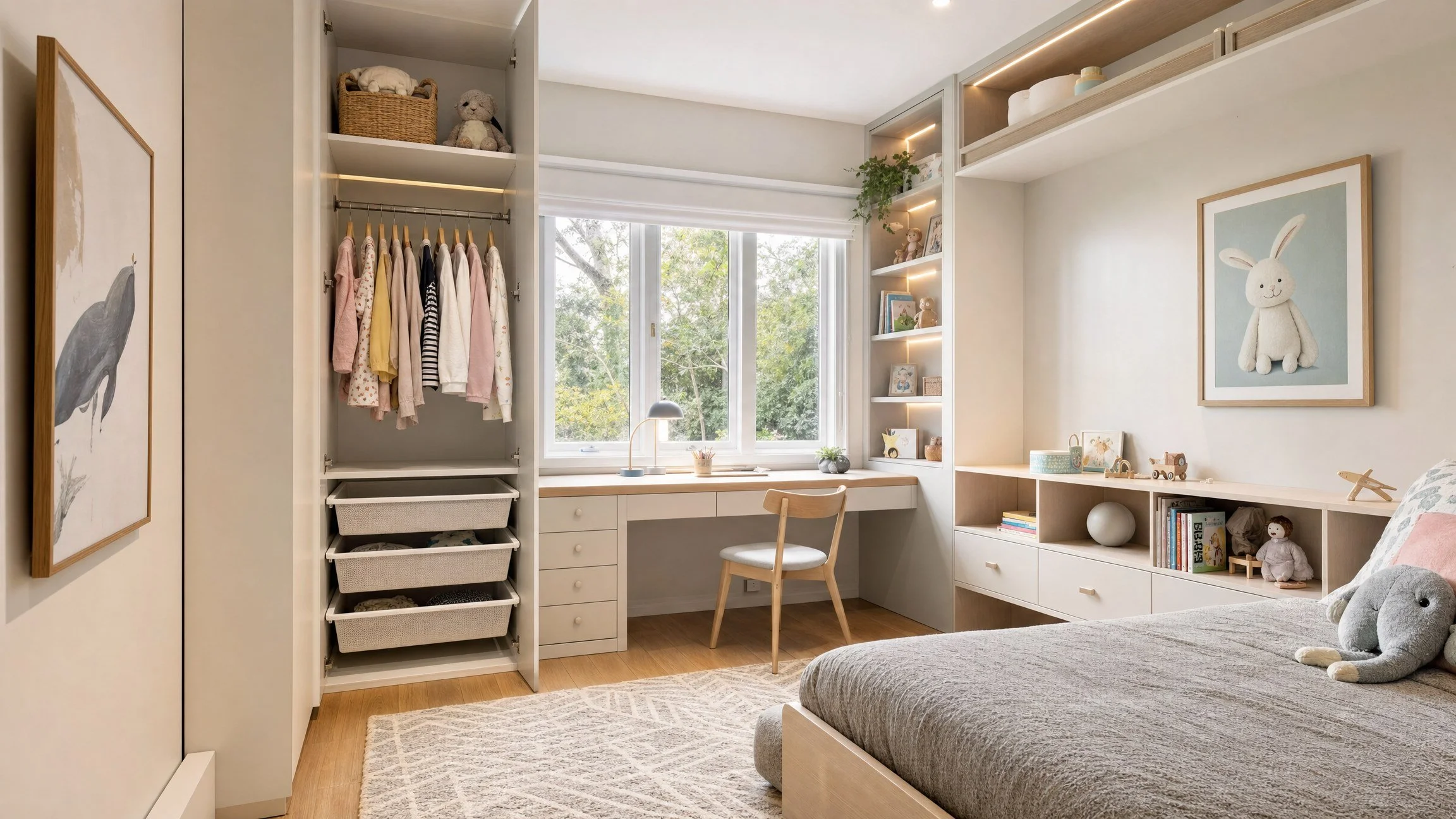
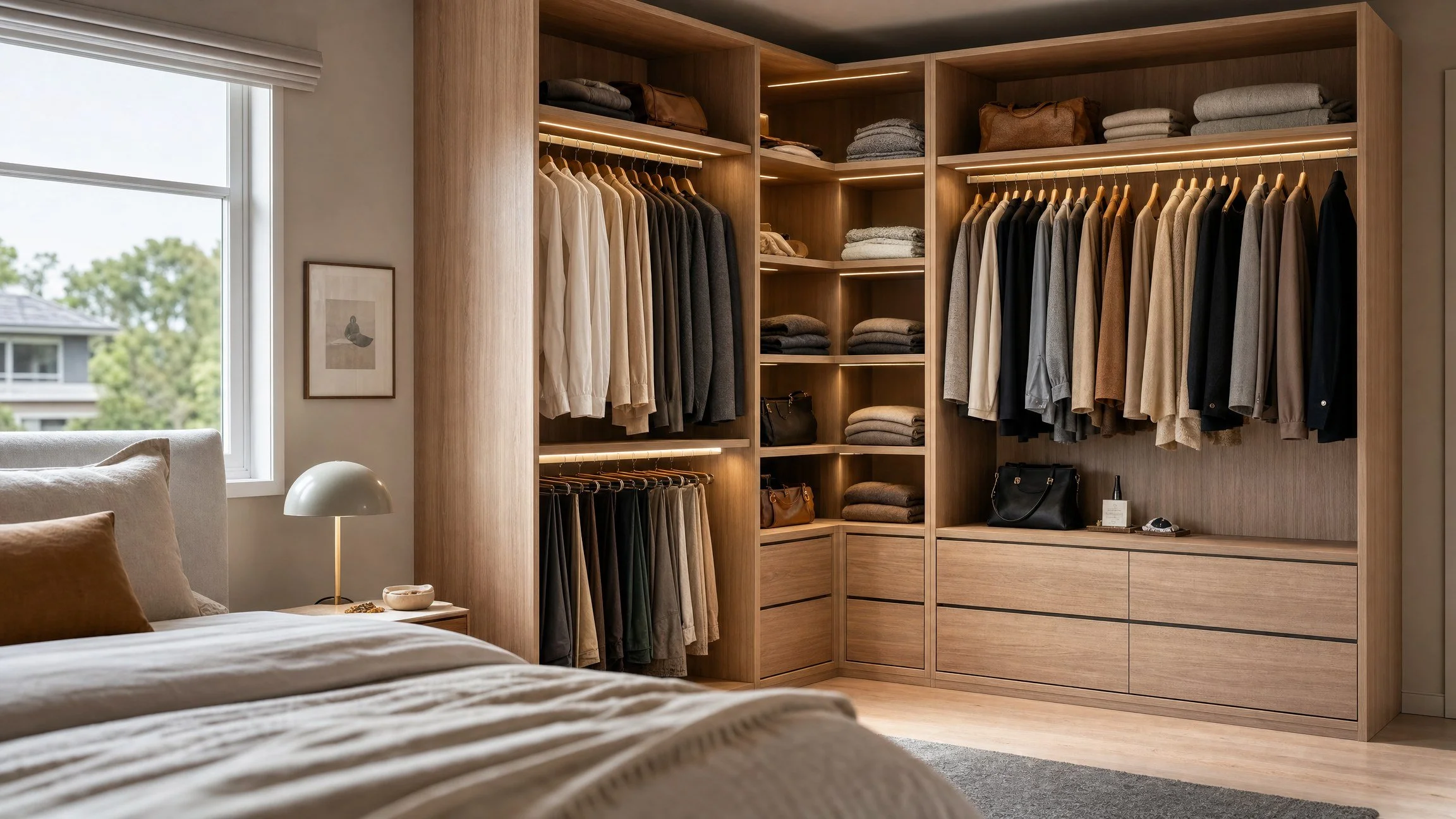
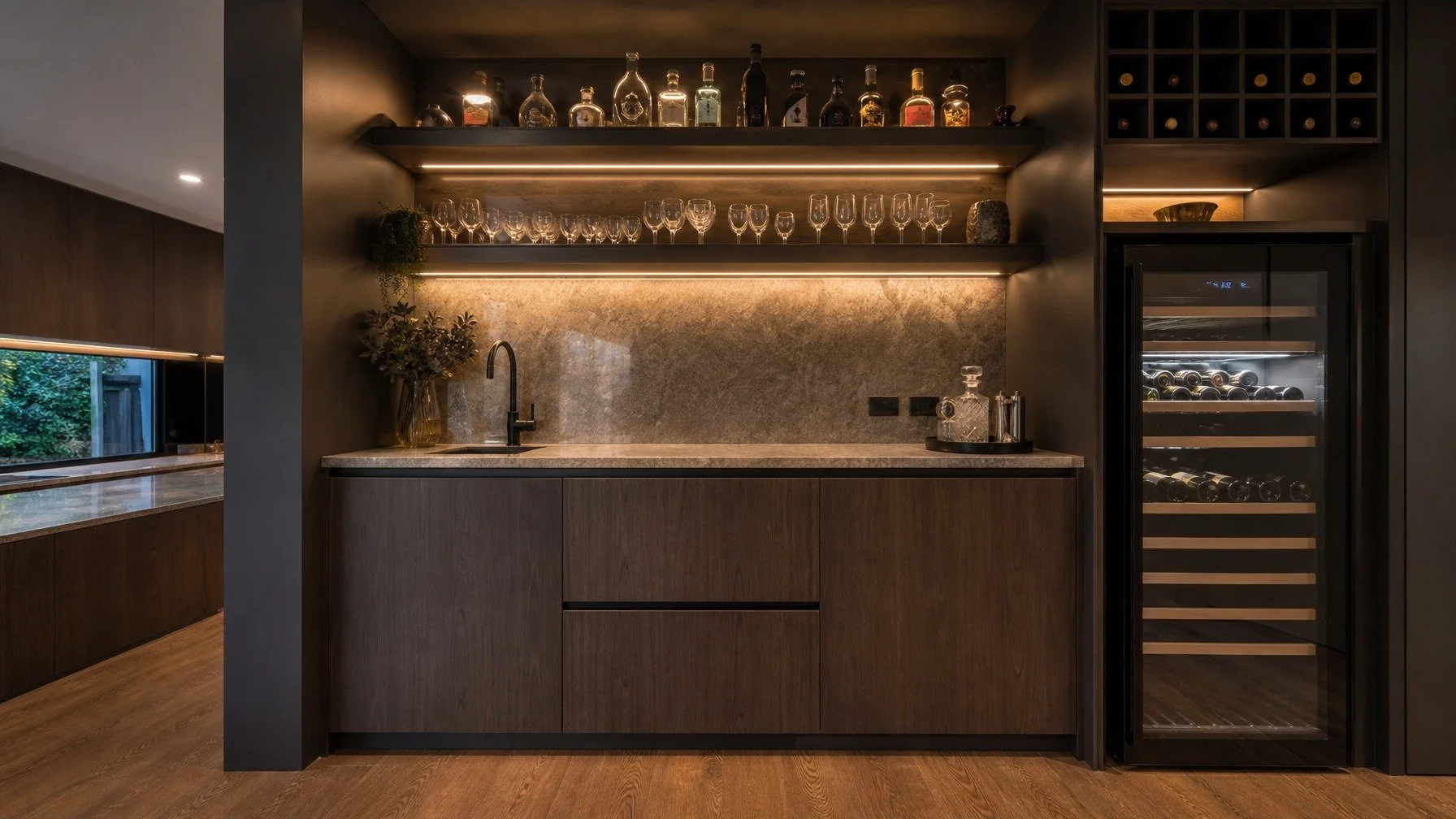
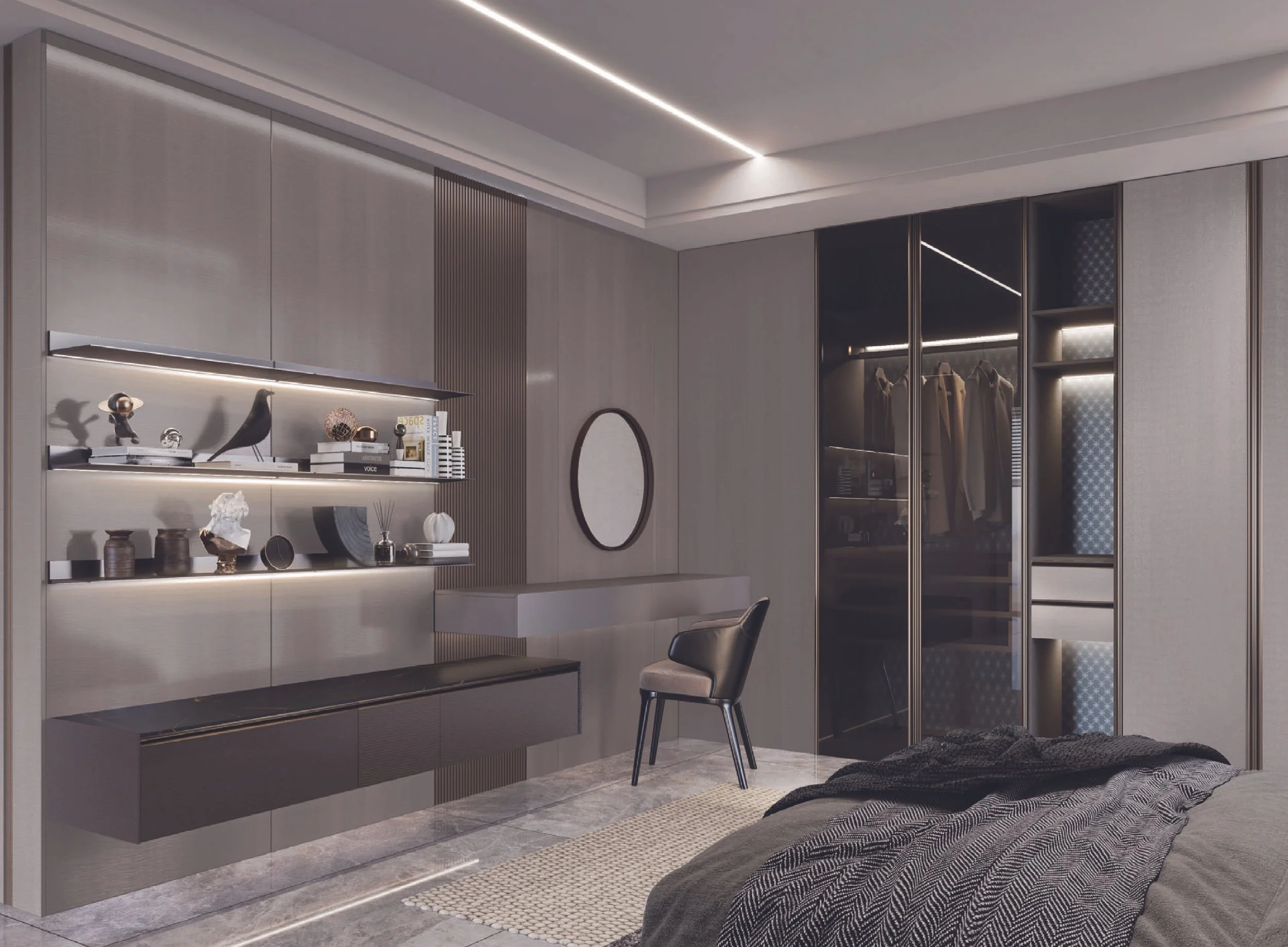
Under-shelf LED strips (primary task light)
Mount to the underside of shelves to wash hanging and folded items evenly. Use aluminium channels with diffusers to avoid hotspots.In-bay verticals / side strips
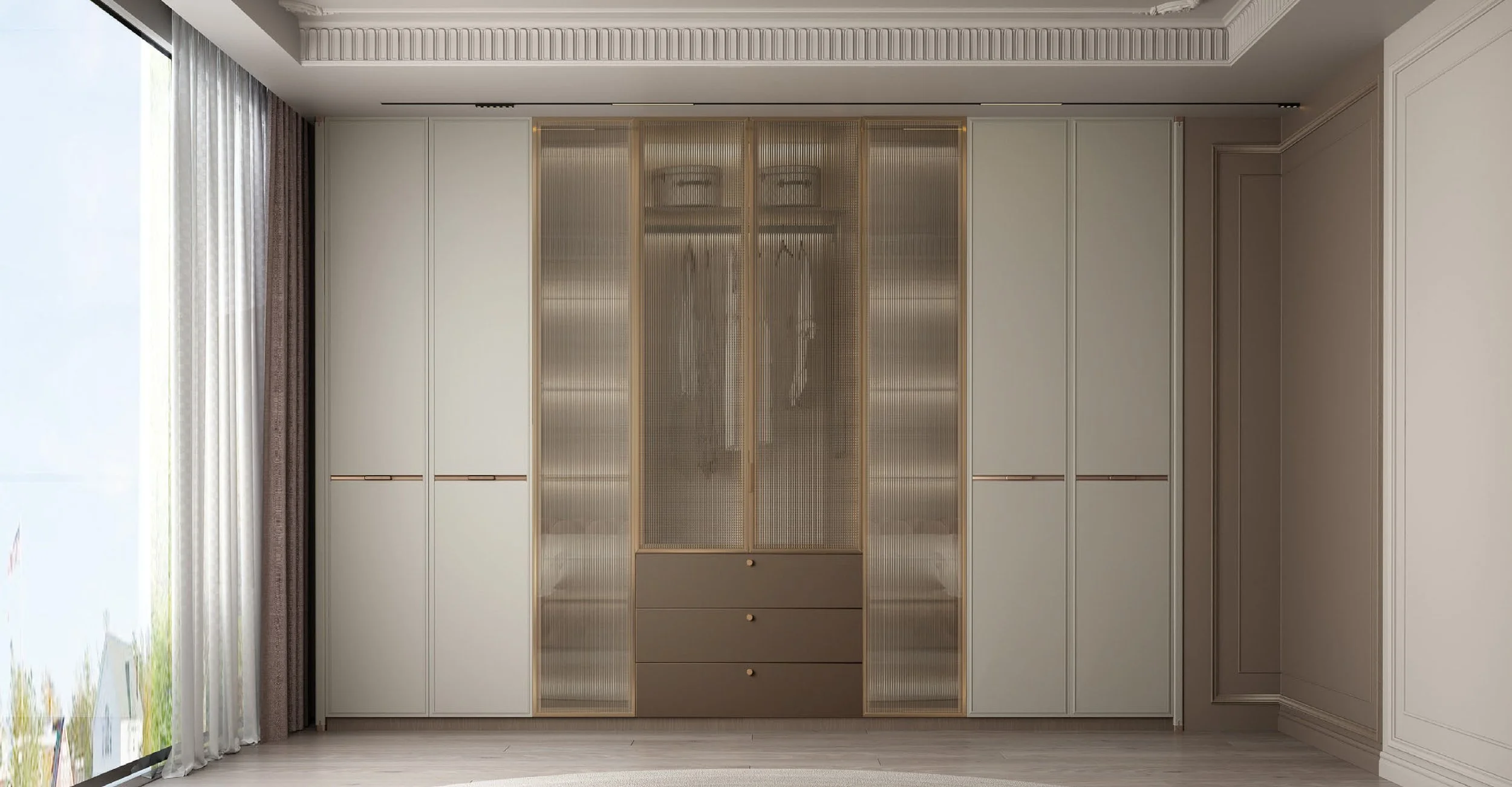
Run strips down the sides of tall bays behind face frames; brilliant for long-hang where downlight alone casts shadows.Hanging-rail LEDs
LED rails give direct light on garments without shading from shelves above, ideal in glass-front “display” bays.In-drawer lighting
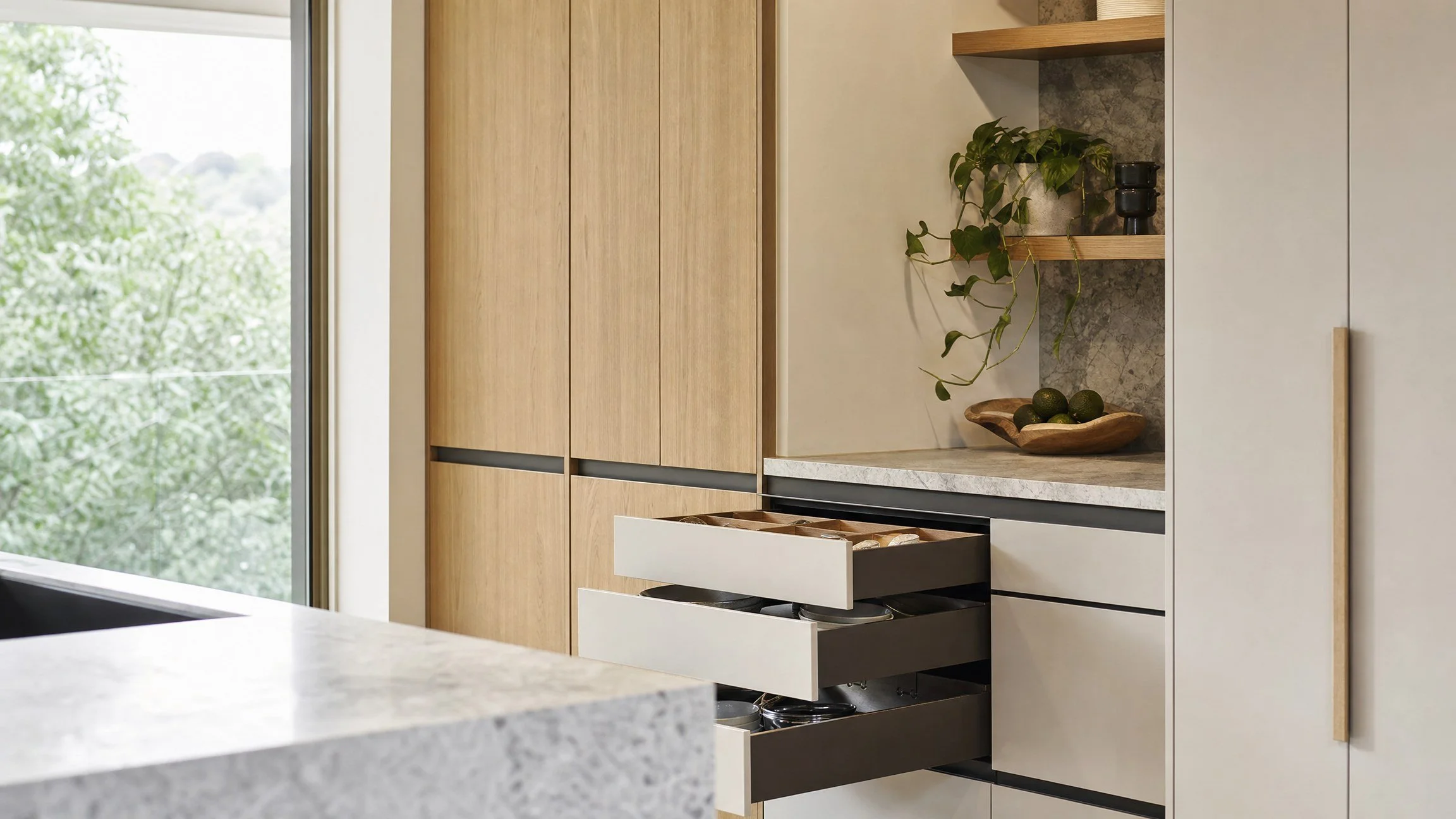
Sensor bars or pucks switch on as drawers open; perfect for jewellery, watches and small accessories.Toe-kick LEDs
A soft night path that makes early starts and late finishes feel effortless.Ceiling linear or pendant
One statement piece (linear bar or small pendant) adds overall ambience; keep output dimmable to avoid glare on mirrors.
Colour temperature & CRI (so fabrics look true)
Warm-neutral 3000–3500K is the sweet spot for wardrobes, warm enough for skin tones, neutral enough for clarity.
CRI ≥90 keeps blacks deep, whites clean and colours accurate.
Keep colour temperature consistent across all fittings to avoid patchy, mismatched light.
Controls that feel premium (and practical)
Door and motion sensors in bays/drawers for hands-free convenience.
Simple scenes (Dress / Evening / Night) via a basic controller or smart hub; always include manual override.
Dimmers on ceiling and accent circuits to balance sparkle with comfort.
Wiring, drivers & safety (planned, not visible)
Use low-voltage LED strips with remote drivers tucked in accessible cavities.
Provide ventilation around drivers; label circuits for easy maintenance.
Pre-plan GPOs (power points) for mirrors, hair tools or a vanity in larger dressing rooms.
Doors, glass & glare control
With mirrored or glass doors, aim strips away from direct reflection to prevent hot spots.
Use frosted diffusers and set lower brightness for display bays so items glow rather than glare.
Small rooms: big-impact tactics
Choose lighter, low-sheen internals and warm-neutral LEDs to keep things airy.
Prioritise under-shelf and vertical side lighting over big ceiling wattage.
Add toe-kick paths for night use instead of bright overheads.
Good / Better / Best lighting packs
Good
Under-shelf LEDs to all main bays, warm-neutral 3000K, door sensors on key bays, one ceiling fitting on a dimmer.Better
Add vertical side strips to long-hang, in-drawer lighting for jewellery, toe-kick LEDs, soft-close door sensors linked to a simple scene controller.Best
Full layered scheme: under-shelf + side strips in every bay, LED hanging rails for display zones, drawer lighting, toe-kicks, a linear ceiling feature, scene control and CRI 95+ for couture-grade colour accuracy.
Common mistakes (and easy fixes)
Cool, blue-white LEDs that wash people out → switch to 3000–3500K with high CRI.
Bright ceiling light but dark bays → move lumens to under-shelf and side strips.
Visible dots/hotspots → always use aluminium channels with diffusers.
Glare in mirrors → offset strips and dim display bays separately.
No plan for drivers → allocate an accessible service zone during design, not after cabinetry is installed.
Transform Your Space with Eco Squared
Embrace the elegance and functionality of European design with Eco Squared. Our Oppolia partnership provides access to premium materials and cutting-edge manufacturing, tailored for the way Sydney lives.
Get a Free SMART QUOTE
Film a quick 360° video and Text/WhatsApp 0466 119 712 (no home visit required).
Prefer email? info@eco2.com.au
FAQs
What is the best lighting for wardrobes?
A layered scheme: under-shelf task strips, vertical side lighting for long-hang, in-drawer lights for accessories, toe-kick paths and a dimmable ceiling light. Keep colour temperature 3000–3500K with CRI ≥90.
Do I need sensors in wardrobe lighting?
Yes, door and motion sensors give hands-free light and prevent lights being left on. Pair with a simple scene/dimmer so mirrors don’t glare at night.
Can I add lighting to an existing wardrobe?
Usually. Surface-mounted channels with low-voltage strips retrofit neatly; drivers can live in a top cabinet or adjacent cupboard. A quick site check confirms routing.
What colour temperature is best for clothes?
Warm-neutral (3000–3500K) keeps colours true and flattering. Avoid cool, blue-white light, which can distort fabrics and skin tones.
How do I stop mirrored doors from reflecting hotspots?
Use frosted diffusers, aim strips away from mirror planes, and run lower brightness on display circuits. Position ceiling fittings off the mirror axis.