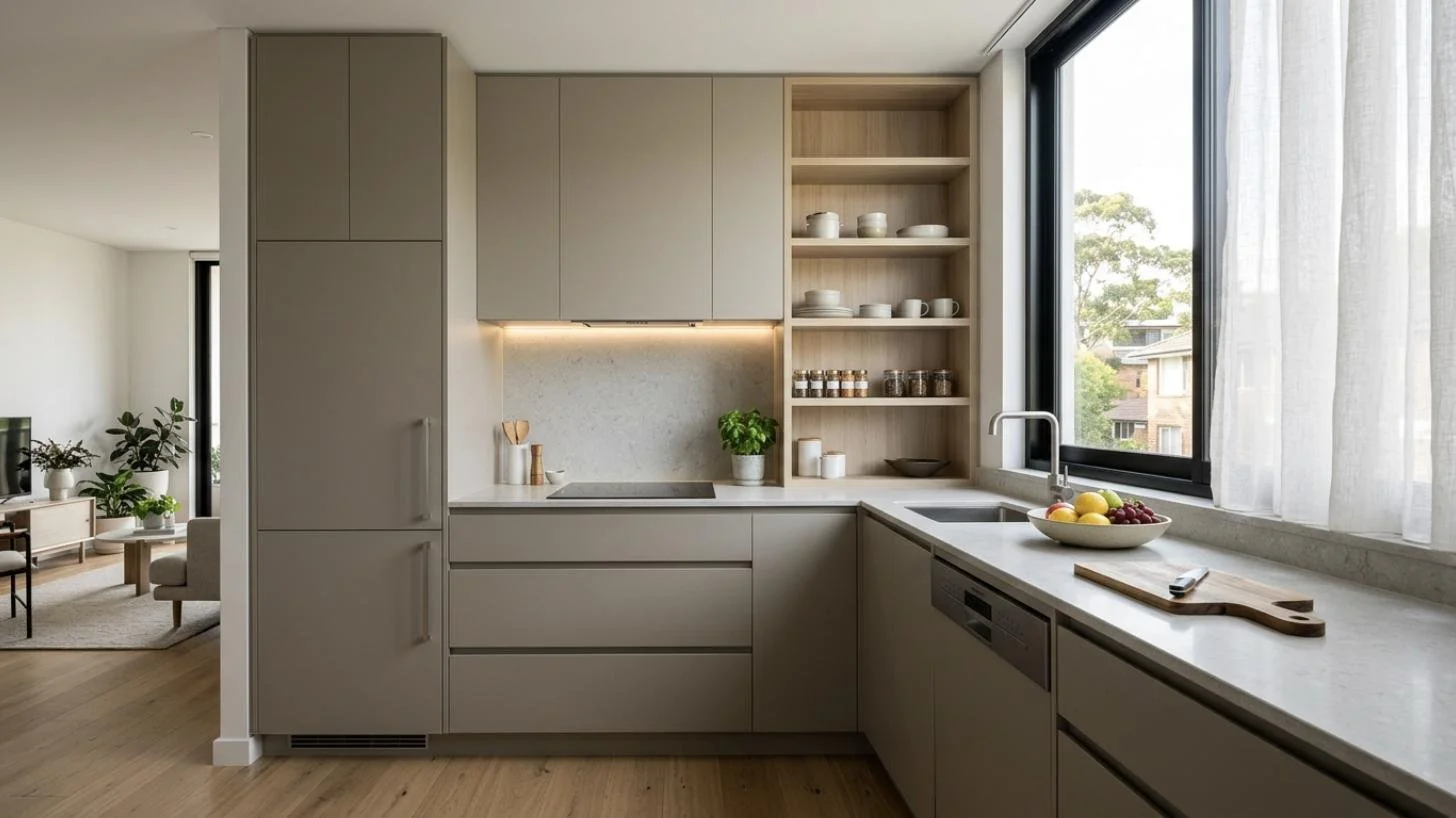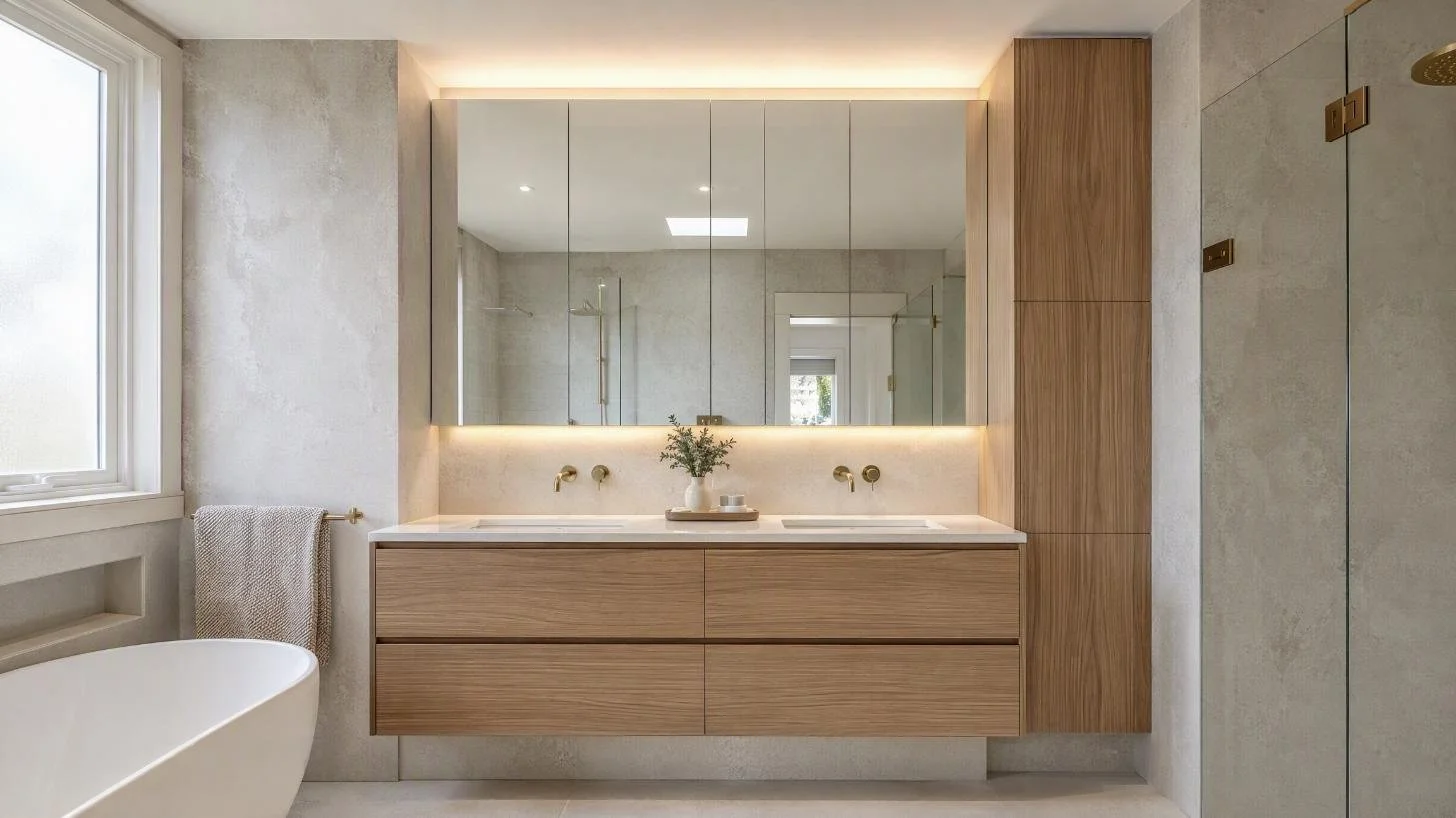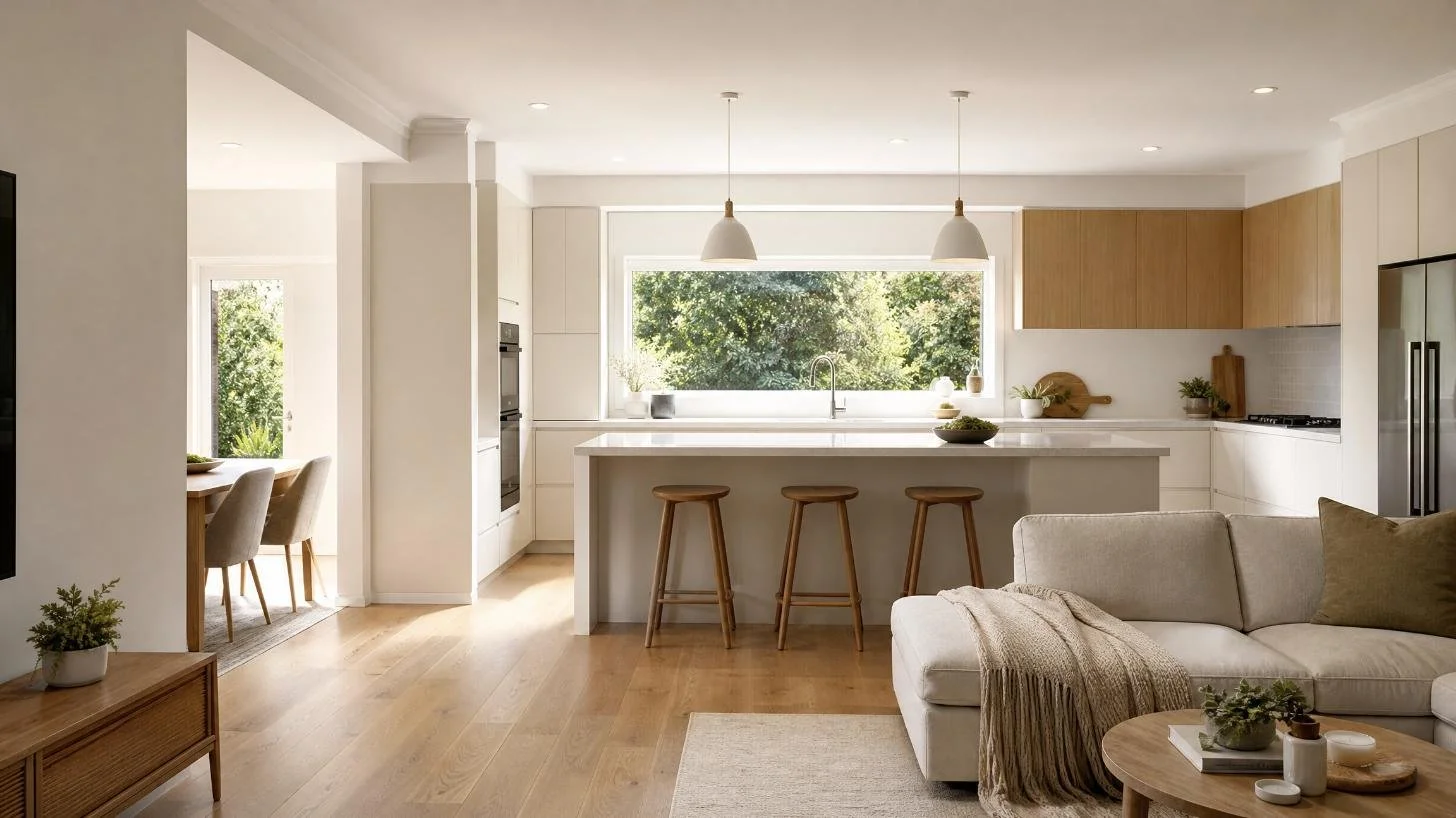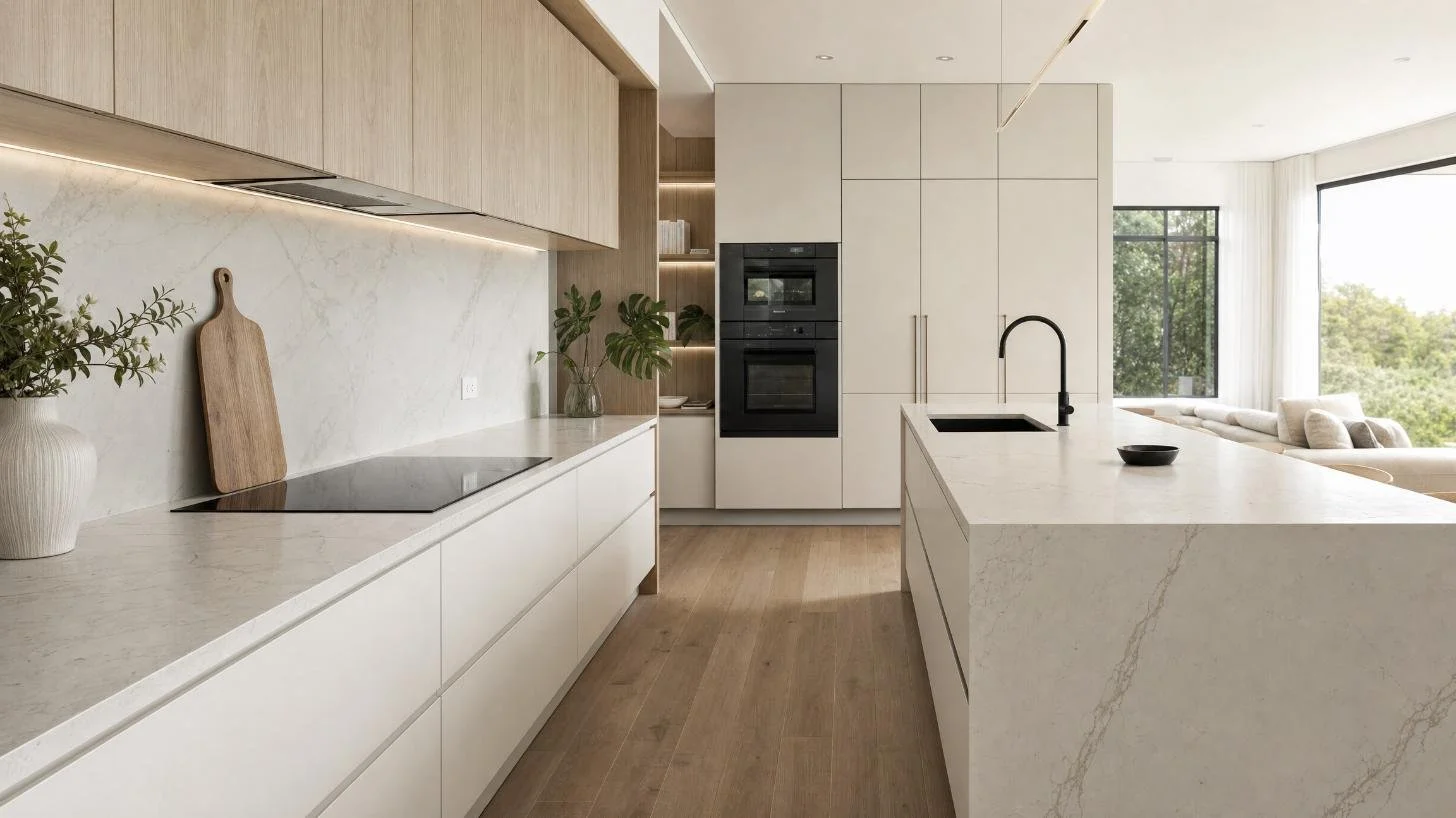
Formaldehyde-Free Cabinets: Health Benefits & Options Sydney
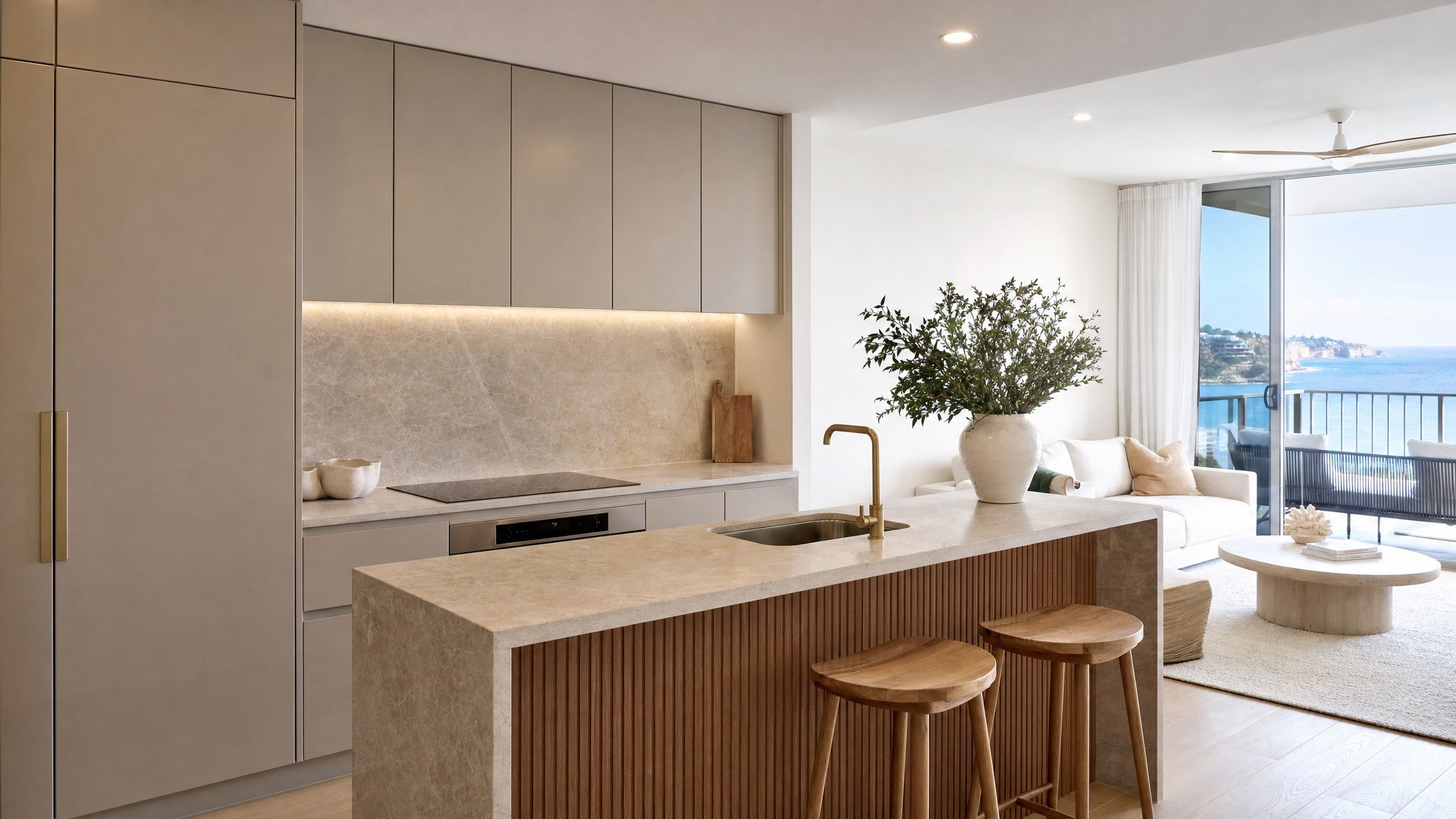
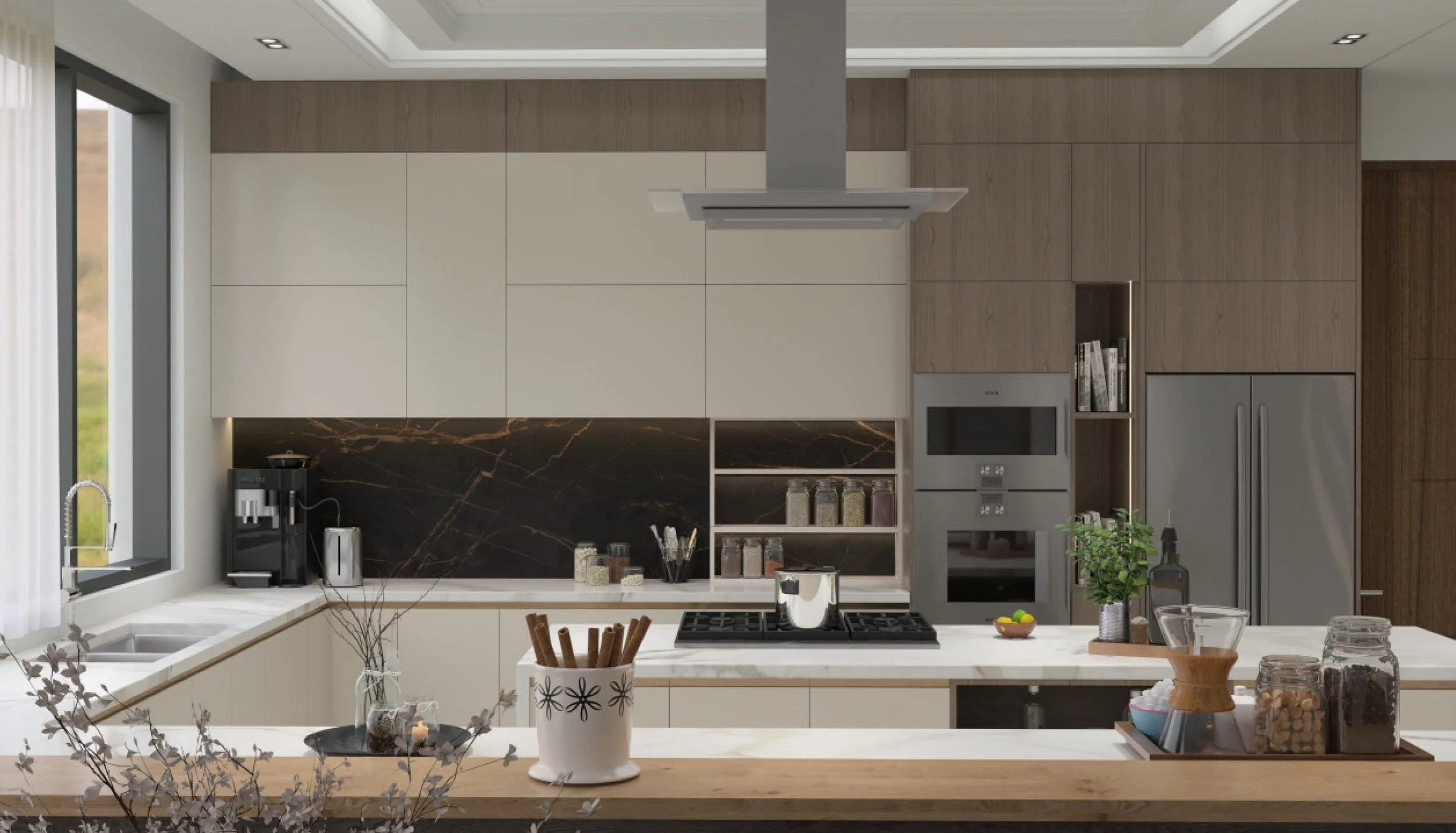
When clients speak with us about kitchens, wardrobes or whole-home cabinetry, many of them are no longer looking at style alone. They also want to know what the cabinetry is made from, how it performs over time, and whether there are healthier material options available for the home. That is exactly why formaldehyde-free and low-emission cabinetry has become such an important part of the conversation for us at Eco2. On our live kitchen, wardrobe and home pages, we position our cabinetry around premium low-emission materials and invite clients to ask us about formaldehyde-free high-density board options.
For us, this is not about fear-based marketing. It is about giving homeowners better information and better options. Official Australian guidance notes that indoor air can be affected by volatile organic compounds, including formaldehyde, emitted from building materials and furnishings, and that indoor formaldehyde levels are often higher than outdoor levels because of lower ventilation and indoor sources.
What formaldehyde is, and why it comes up in cabinetry discussions
Formaldehyde is a chemical that can be associated with some building materials, furnishings and consumer products. Australian government sources note that building materials and furnishings can emit formaldehyde and other VOCs into indoor air, and that limiting contaminant-emitting materials is one of the most effective ways to reduce those air contaminants indoors.
That is why cabinetry matters in this conversation. Kitchens, wardrobes and whole-home joinery are large, long-term fixtures in the home. When clients ask us about healthier indoor environments, it makes sense to look closely at the materials used in those spaces, not just the visible finish.
What we mean by formaldehyde-free and low-emission cabinetry
When we talk about formaldehyde-free or low-emission cabinetry at Eco2, we are talking about choosing board and finish options that are designed to reduce unwanted emissions without compromising on durability, appearance or function. Across our live pages, we describe our cabinetry as engineered to strict low-emission standards for healthier indoor air and we specifically invite clients to ask us about formaldehyde-free high-density board options.
There is an important distinction here. Not every lower-emission product is necessarily formaldehyde-free, and not every product marketed casually as “better” gives enough detail to make a fair comparison. That is why we believe it is important to discuss the actual board and finish options being specified, rather than relying on vague claims.
Why indoor air quality matters in the home
Indoor air quality matters because most people spend a large amount of time inside their homes. Australian guidance from the Centre for Disease Control notes that indoor air pollutants can include formaldehyde from building materials and furnishings, while the Australian Government’s formaldehyde fact sheet states that indoor concentrations are generally higher than outdoor levels. The Your Home guidance also recommends good ventilation when new furnishings or resurfacing work is introduced into the home.
For us, that reinforces a simple point. Material choice is part of good design. A beautiful kitchen or wardrobe should not only look right and function well, it should also be designed with sensible, well-considered material options where possible.
Where cabinetry materials can differ
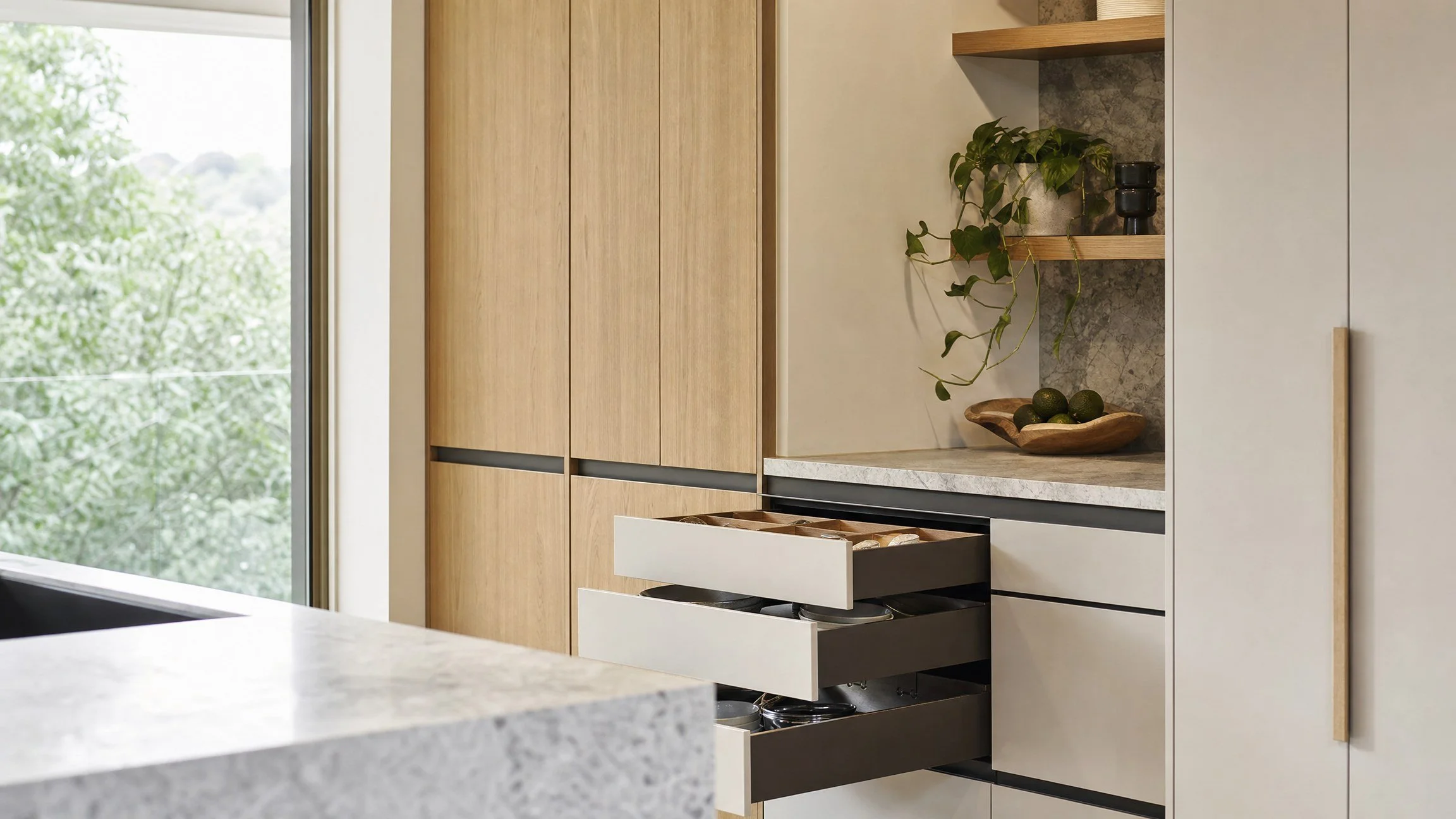
Not all cabinetry systems are the same. Differences can come from the substrate, adhesives, finishes, edge treatments and how the final product is manufactured and assembled. The Australian Building Codes Board indoor air quality handbook notes that many building materials, finishes and furnishings can emit contaminants such as formaldehyde and other VOCs, and that one of the most effective ways to limit these contaminants is to limit the use of emitting materials and products.
That is why, when we work with clients, we see the specification stage as more than a style conversation. It is where practical decisions get made about performance, finish quality, long-term durability and, where relevant, lower-emission material choices.
How we approach healthier cabinetry choices at Eco2
At Eco2, we position our work around European styled custom cabinetry with health-conscious material options. Our About page states that we supply premium, formaldehyde-free materials and references formaldehyde-free additive cores, E1 emissions performance using the EN 717-1 chamber method, CARB compliance and FSC-prioritised sourcing, while our service pages reinforce the availability of low-emission boards and formaldehyde-free high-density board options.
For our clients, that means healthier material choices do not have to come at the expense of finish quality or design intent. We still design around layout, storage, visual cohesion and premium detailing. We simply make room in the conversation for better board and finish options as well.
Where this matters most in the home
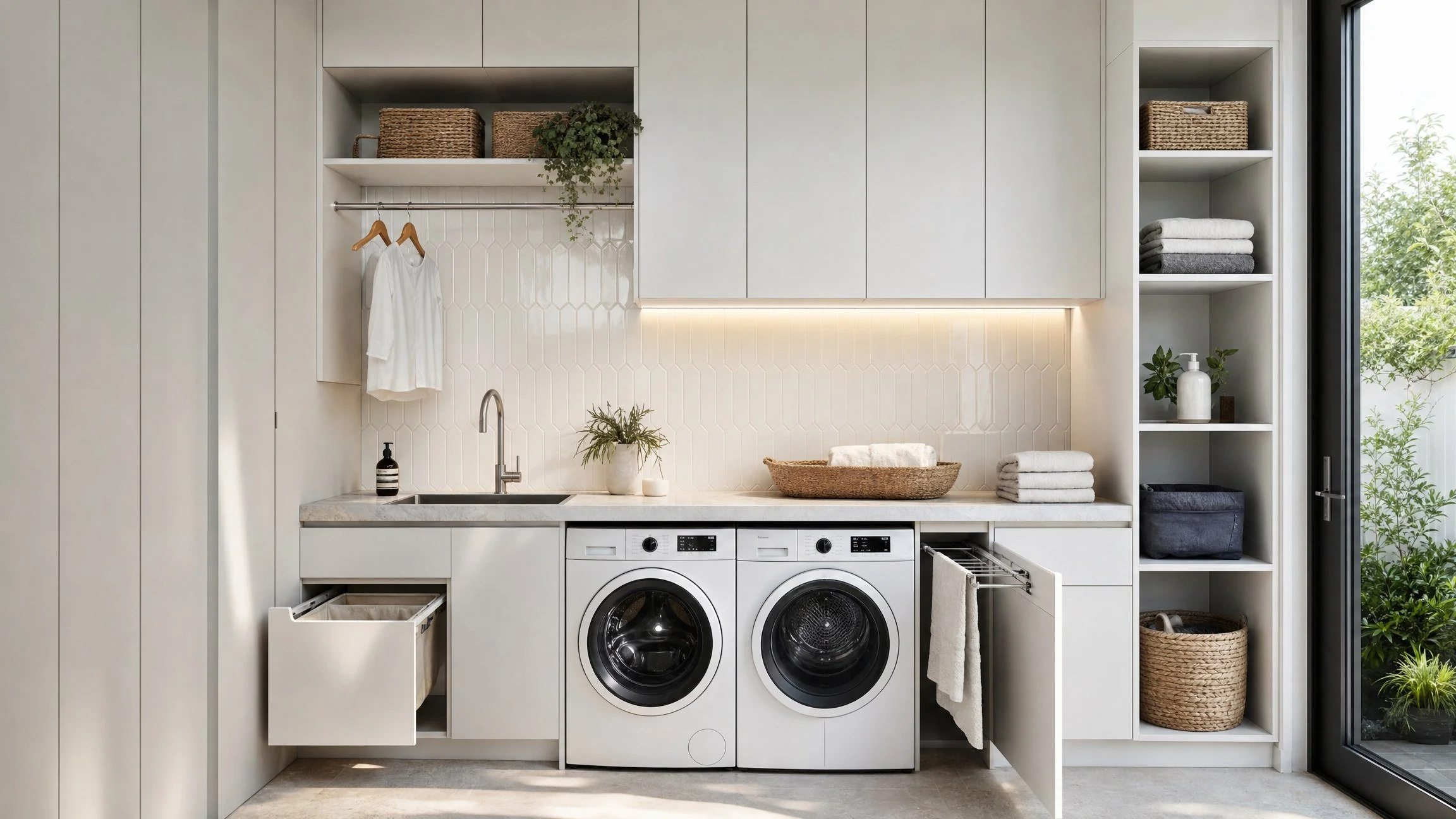
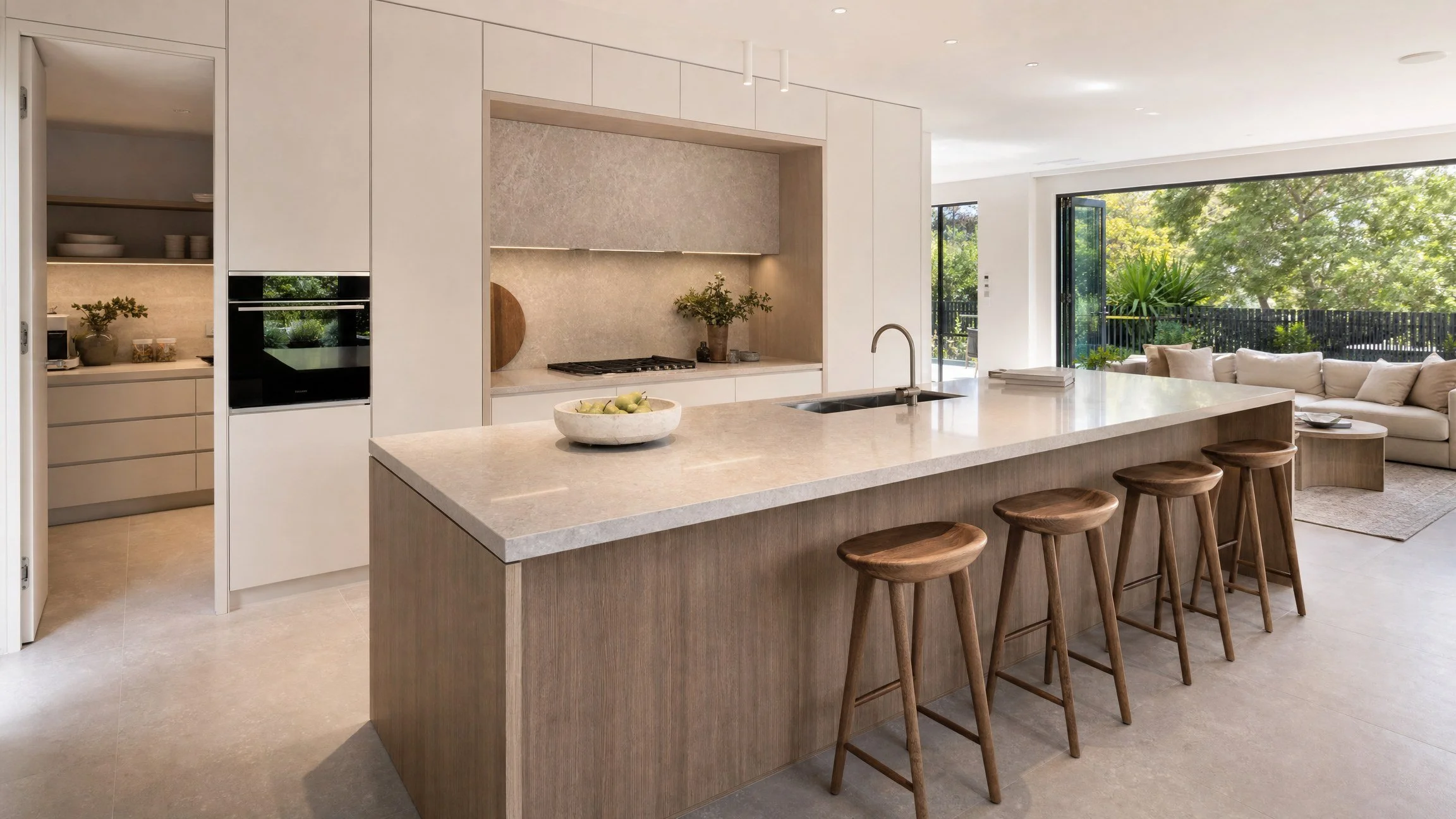
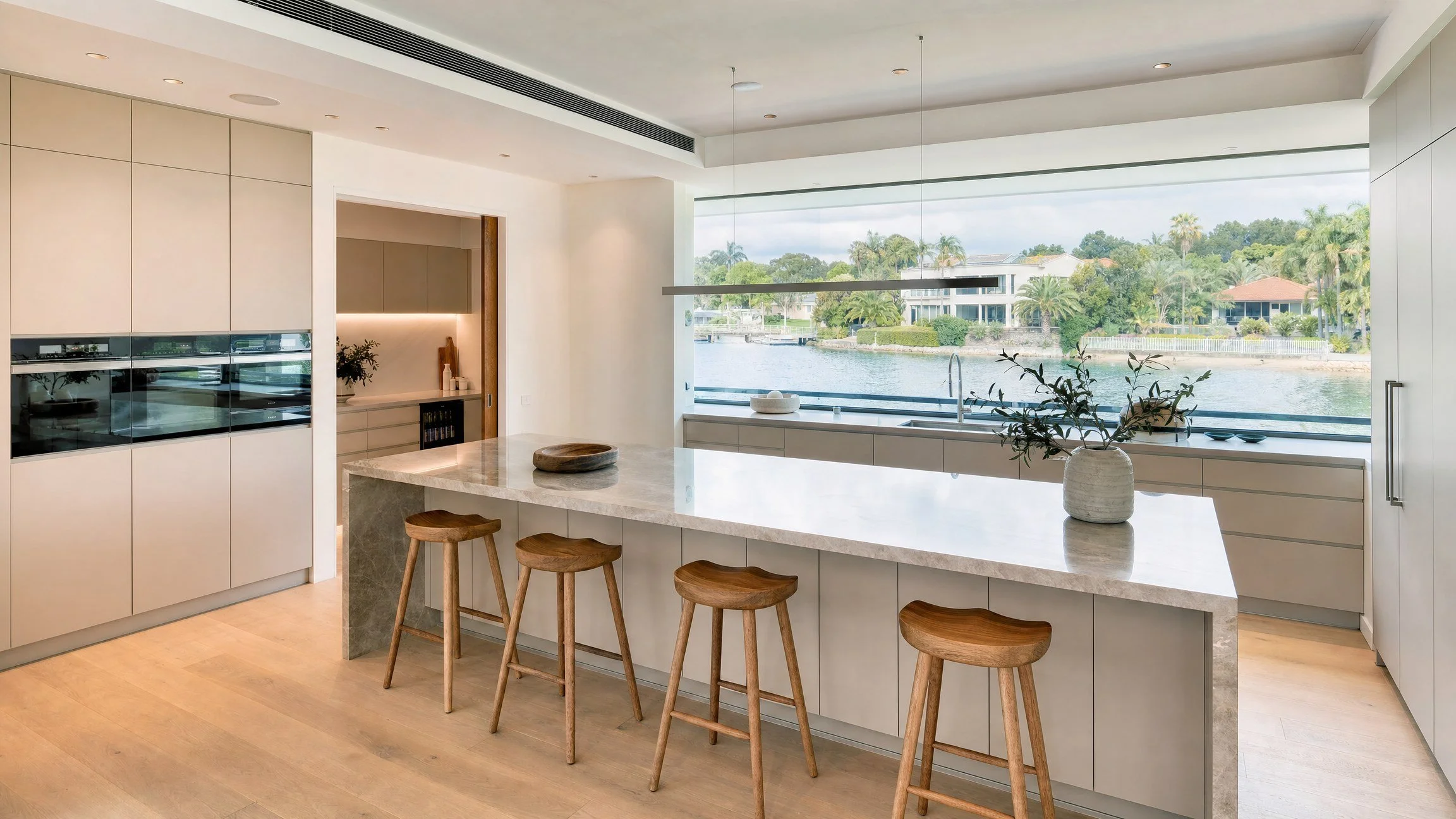
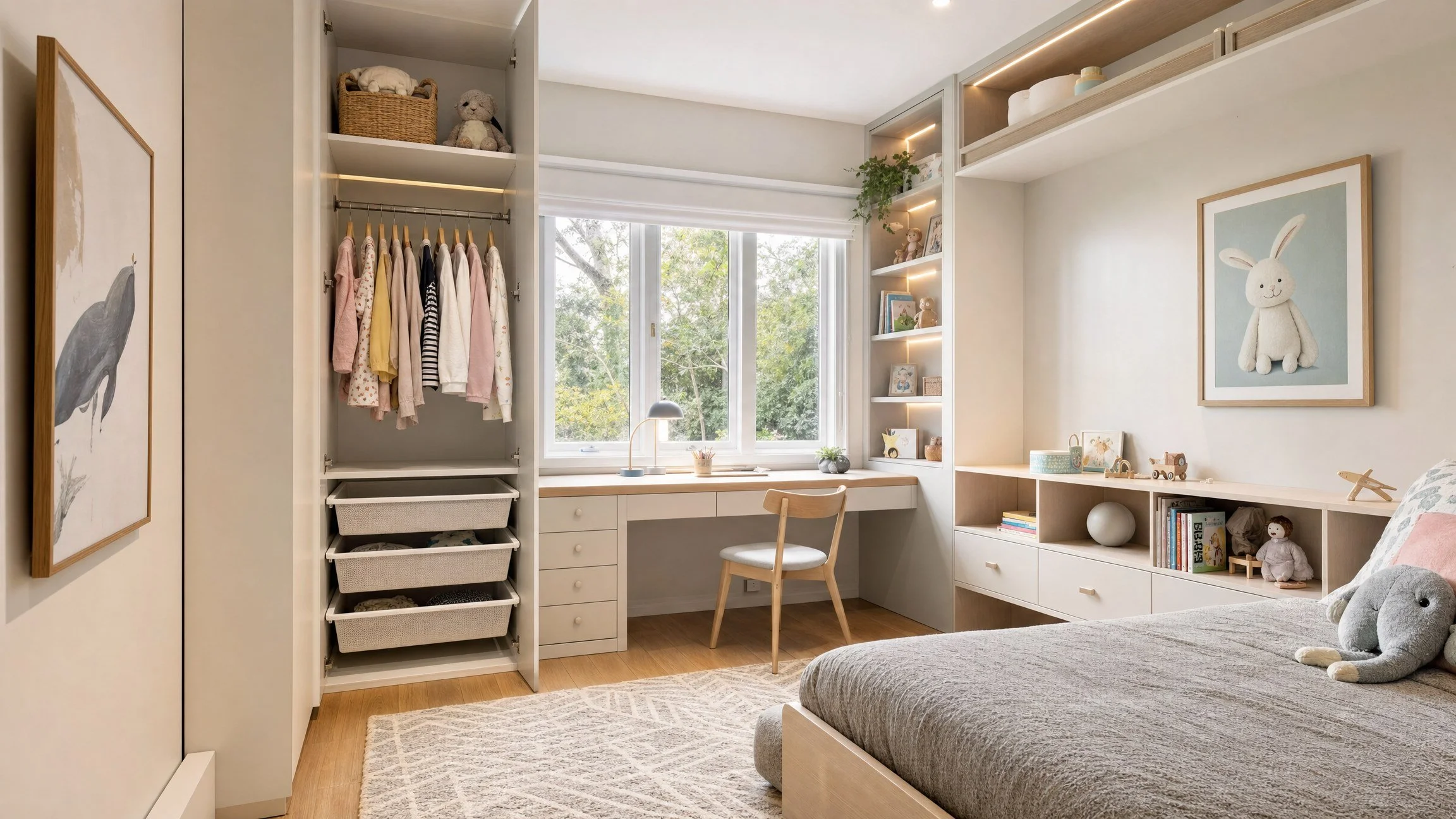
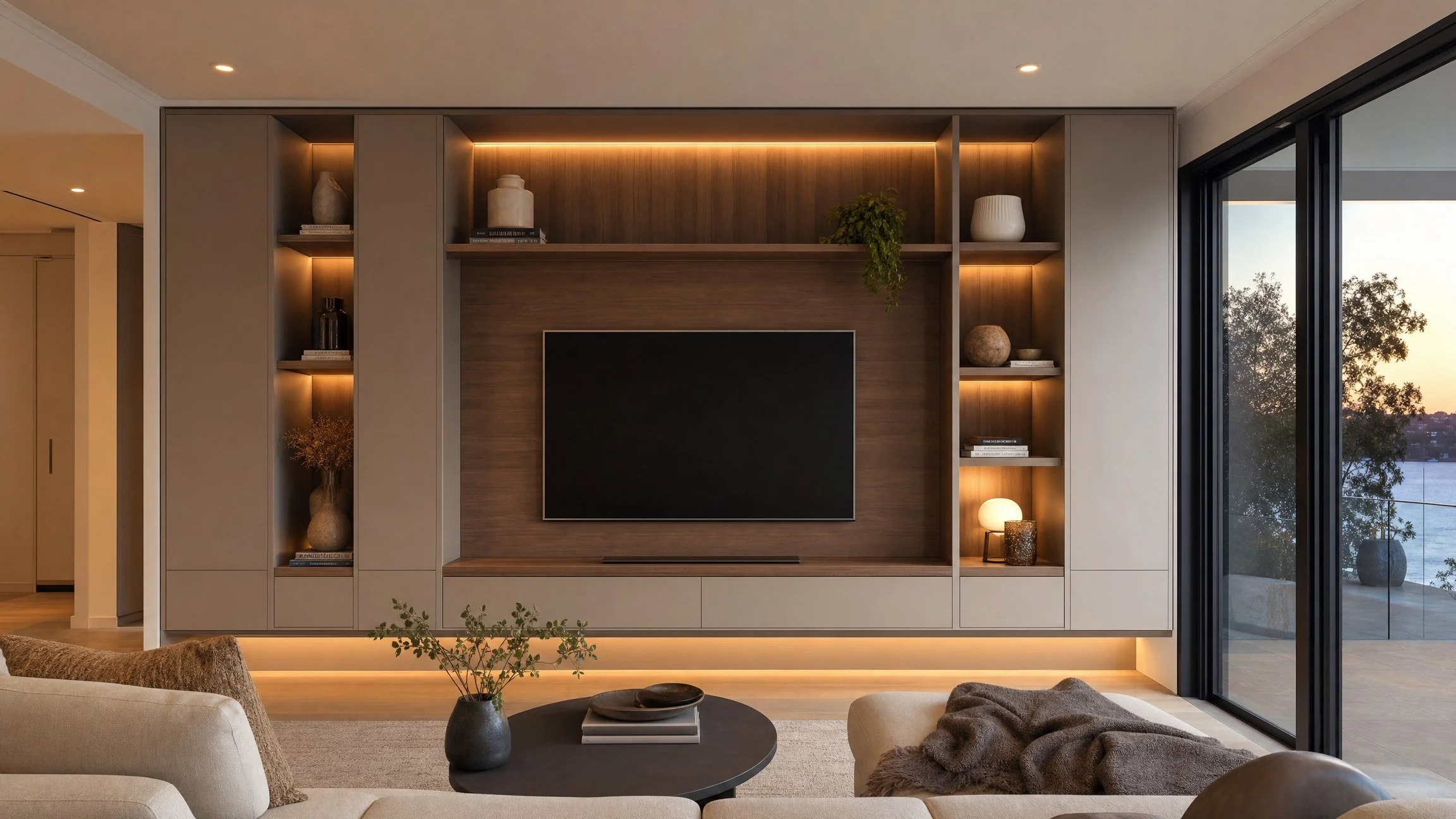
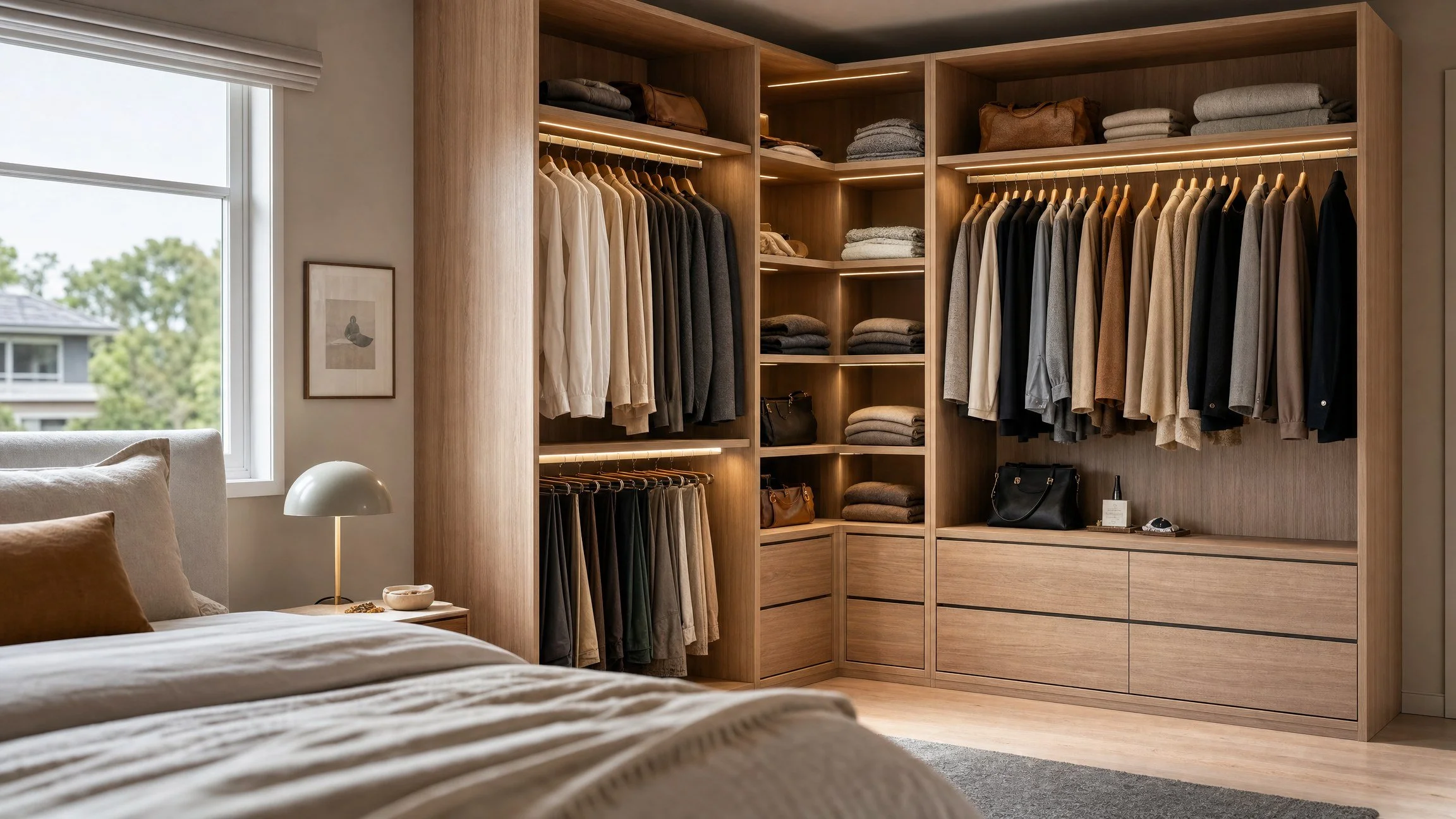
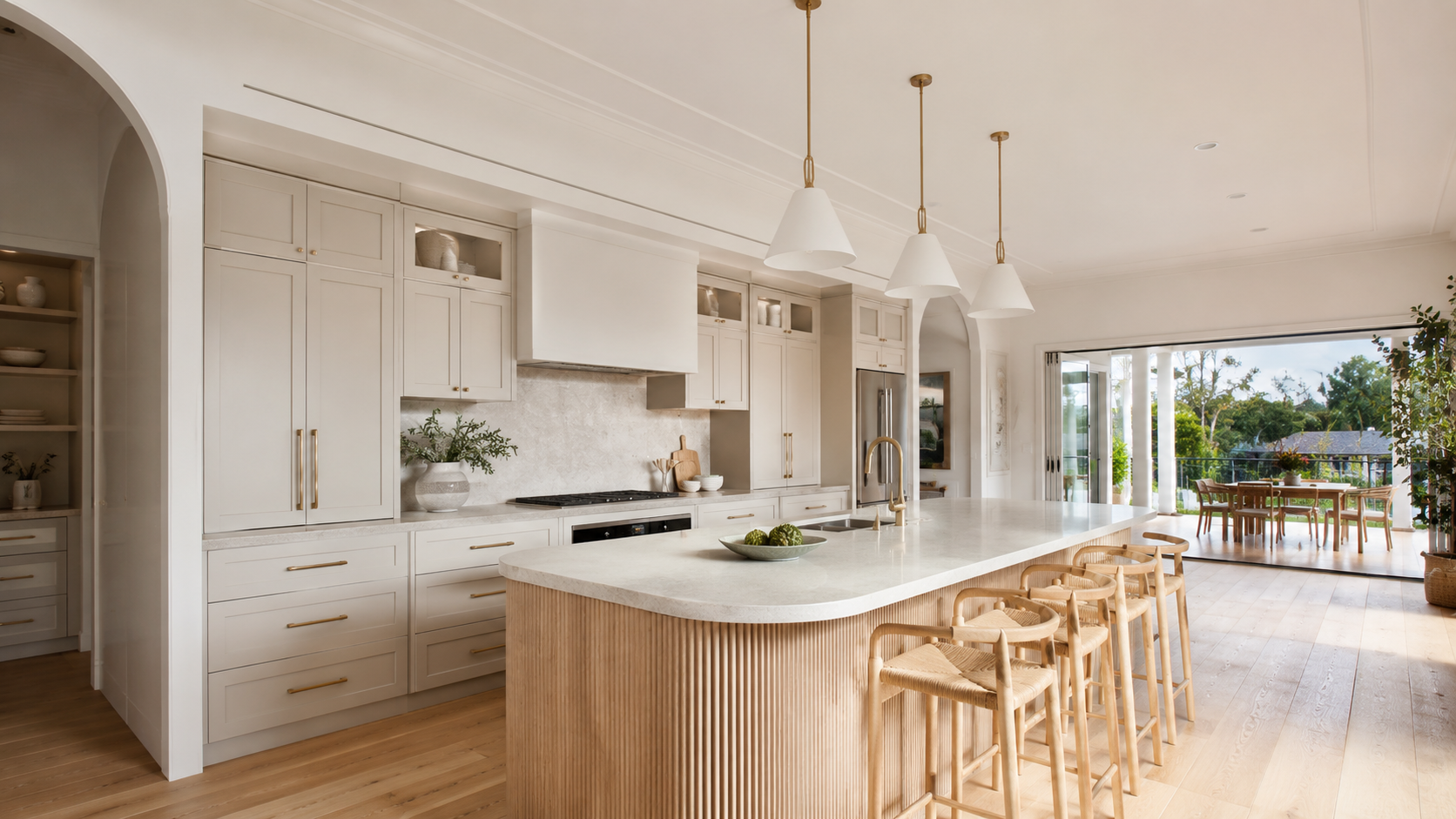
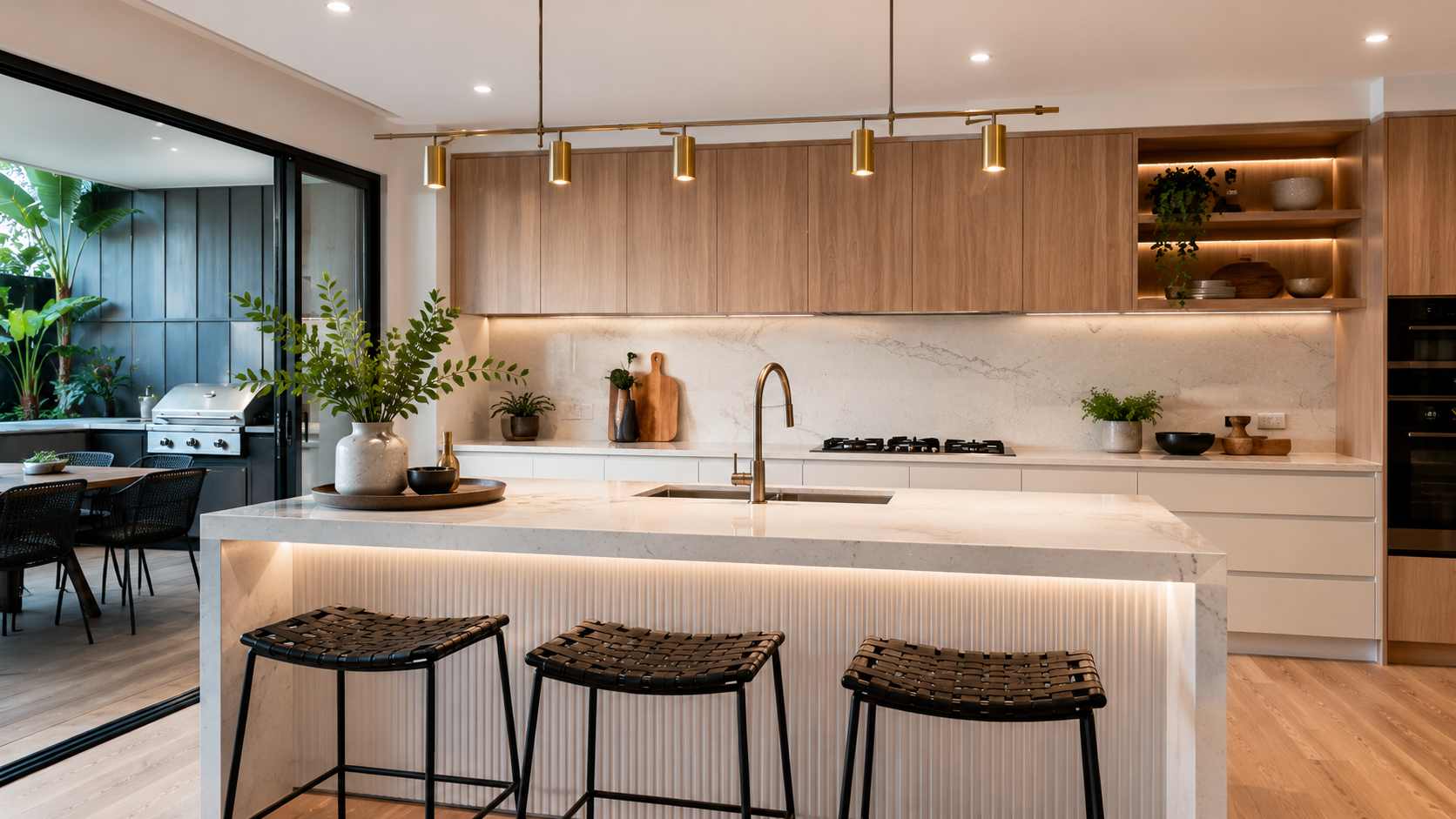
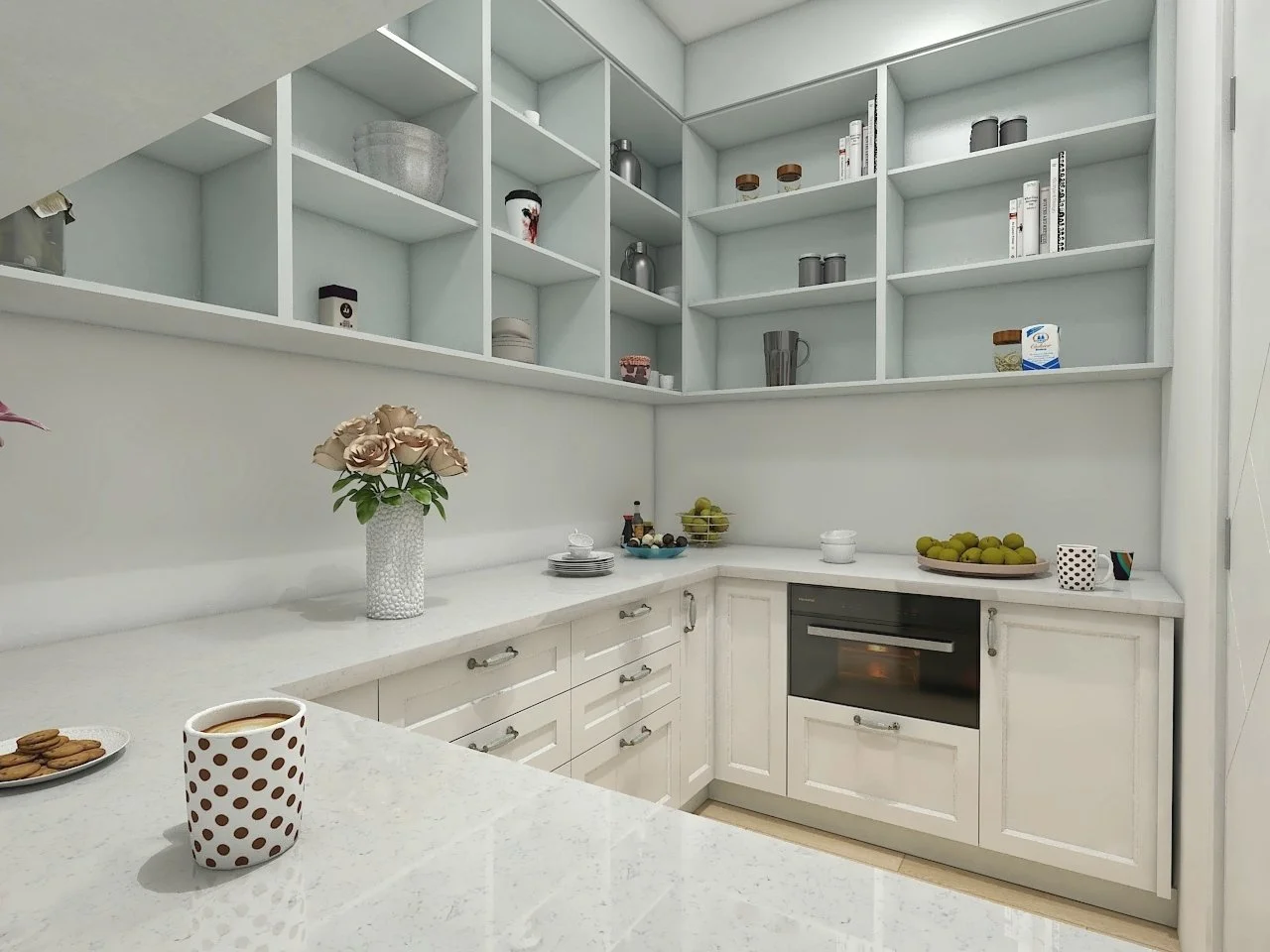
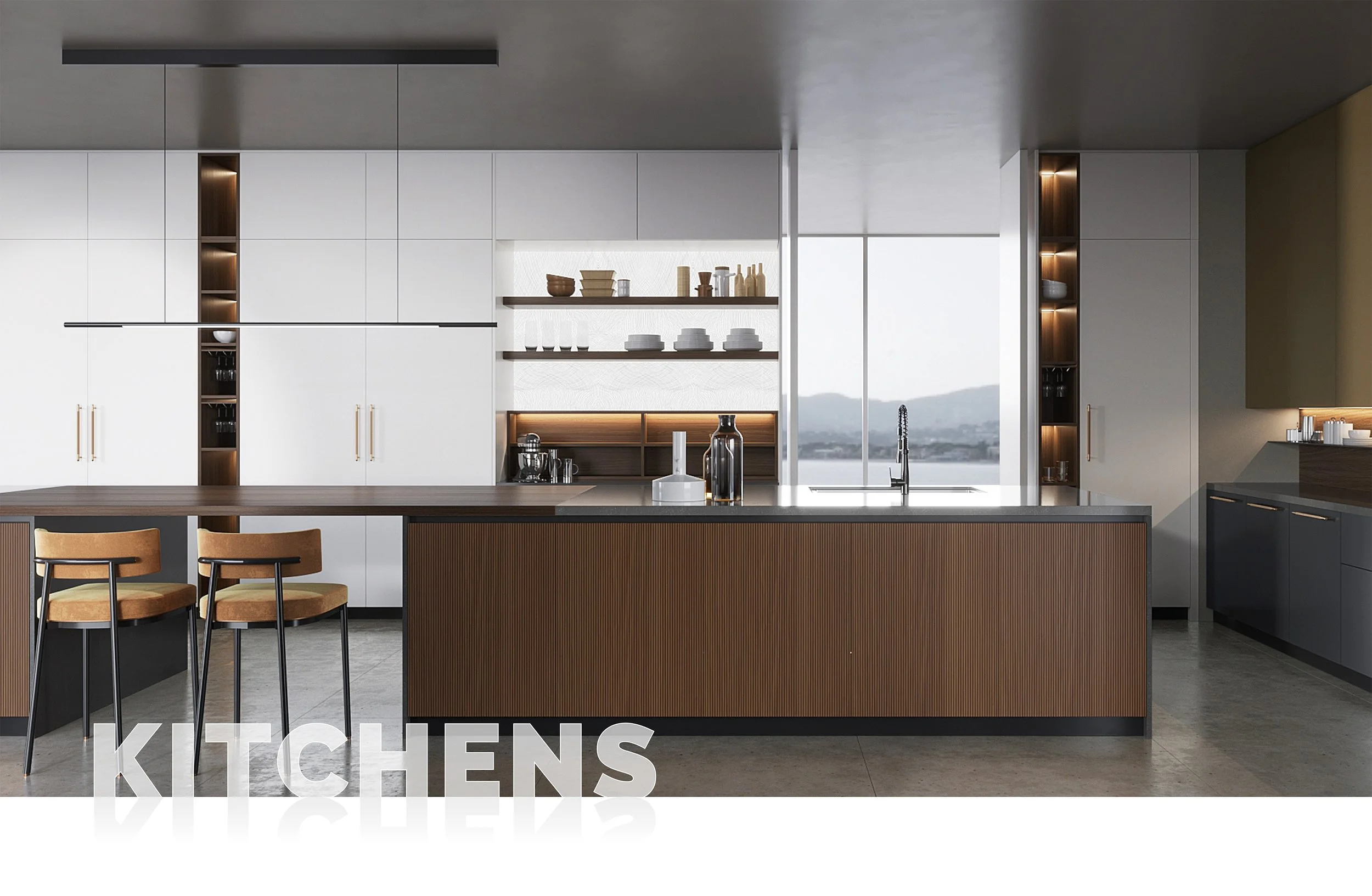
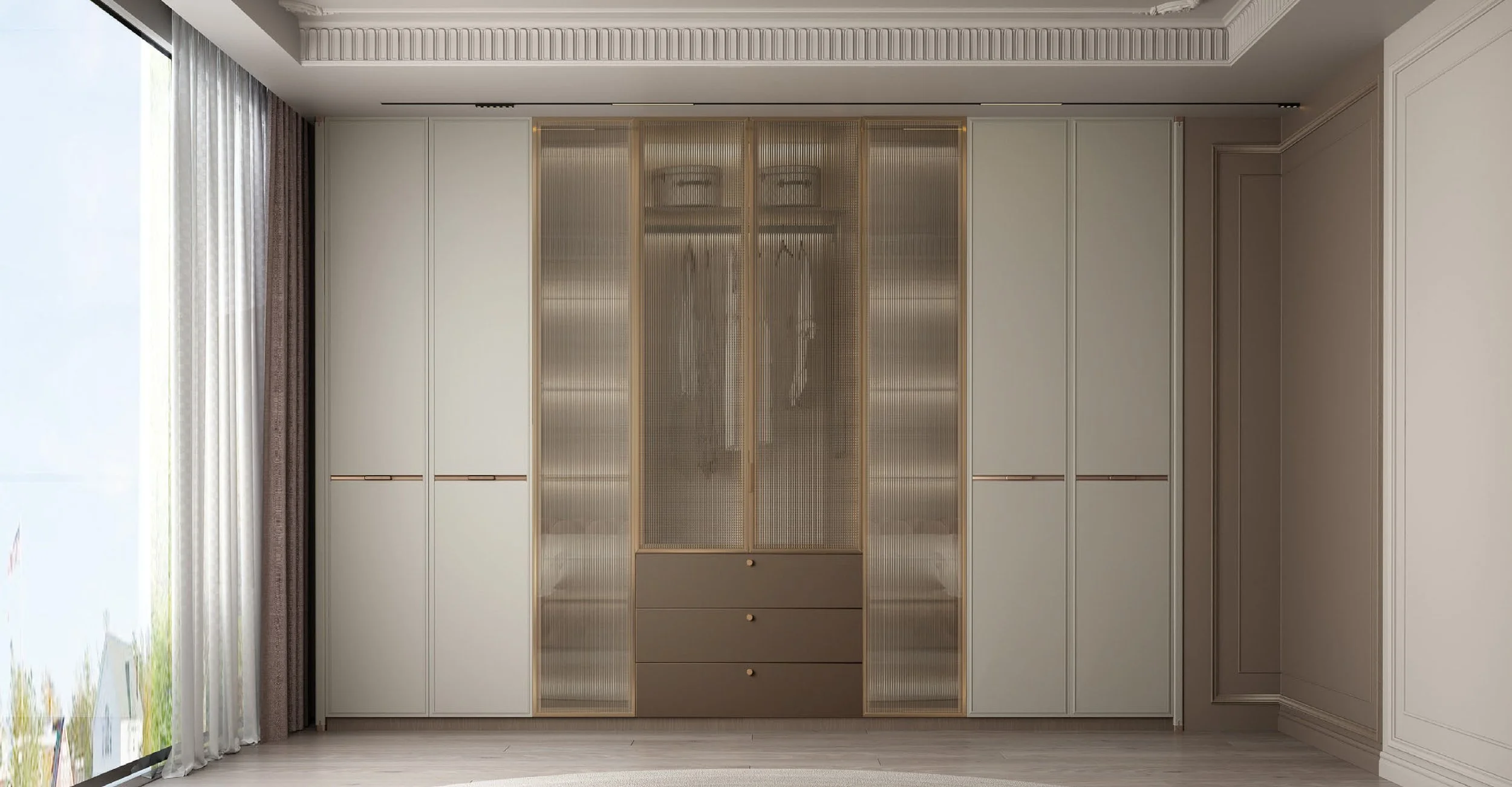
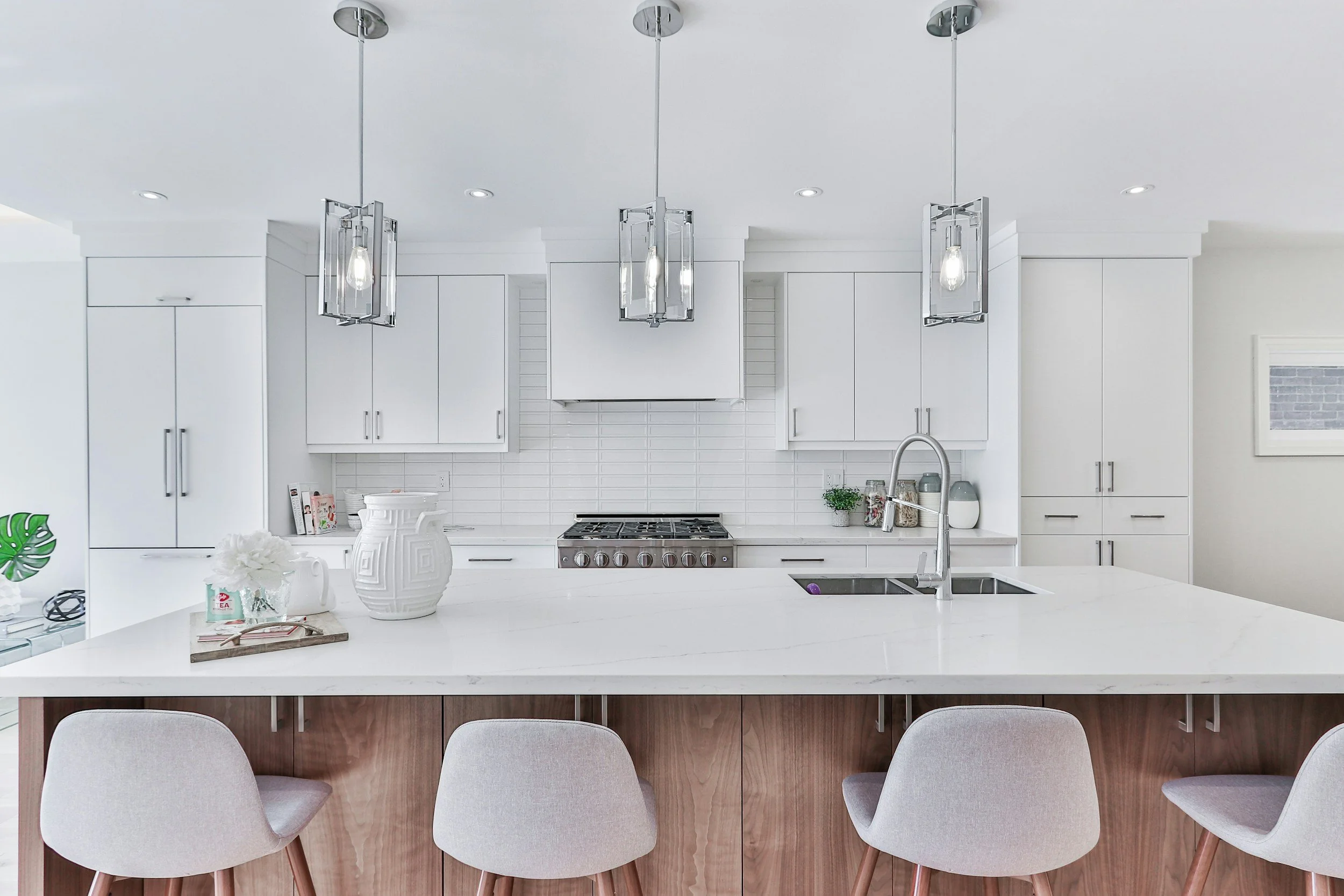
This matters in kitchens, wardrobes and whole-home joinery because cabinetry is such a prominent and permanent part of the interior. On our live pages, we apply the same health-first material positioning across kitchens, wardrobes and broader custom cabinetry, not just one room category.
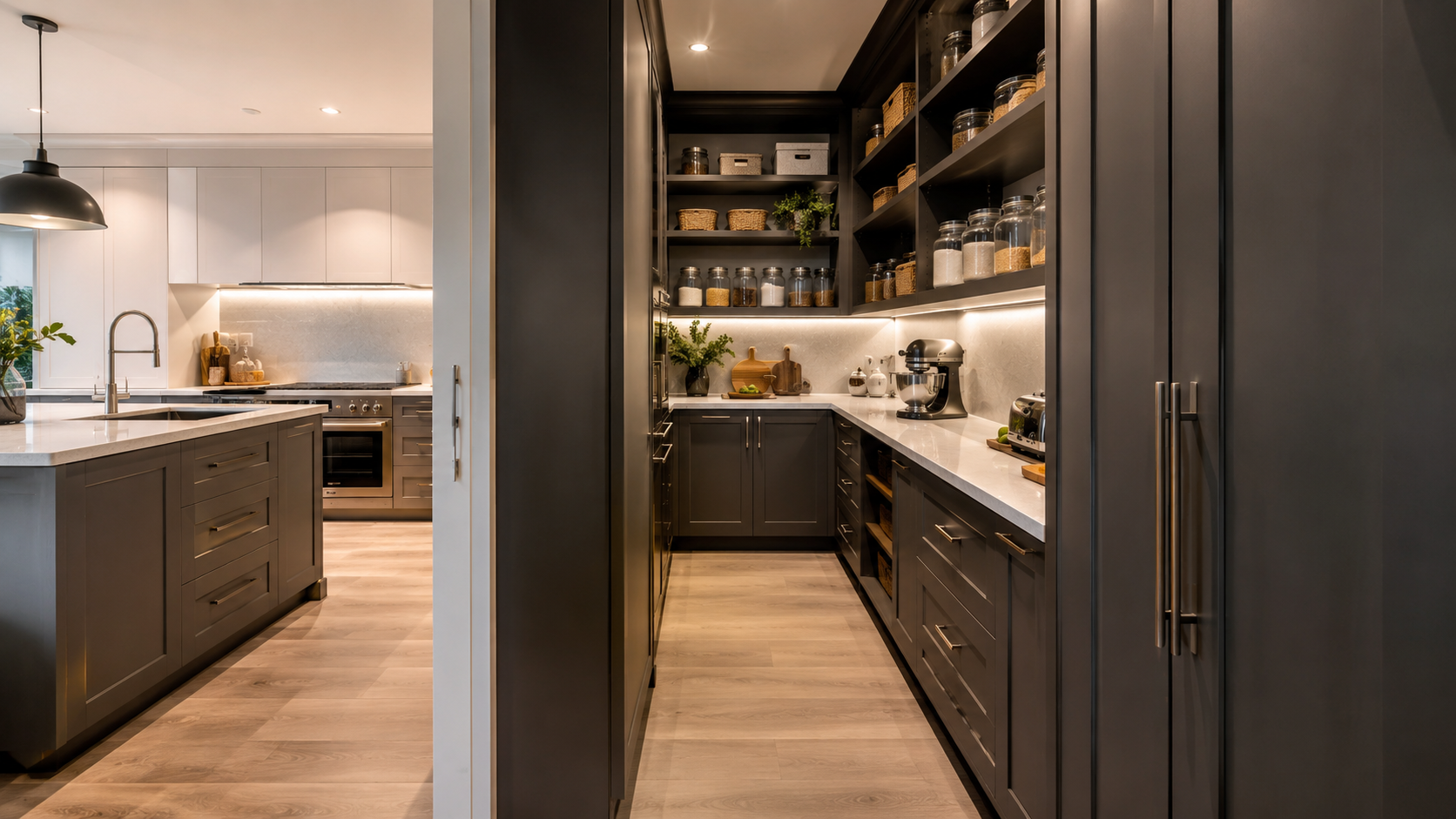
That whole-home approach is important. A healthier material strategy tends to work best when the thinking is consistent across the project, whether you are planning a kitchen renovation, a walk-in wardrobe, a butler’s pantry or cabinetry throughout the home.
What to ask before choosing cabinetry
When clients are comparing cabinetry options, we encourage them to ask clear questions about the material specification rather than stopping at appearance alone.
Ask what board options are available. Ask whether lower-emission or formaldehyde-free options can be specified. Ask how the finishes are selected. Ask how the cabinetry is designed to balance durability with healthier indoor-air considerations. And most importantly, ask for a quote that reflects the actual scope of your room and the material level you want, rather than a generic allowance.
That is one reason our Smart Quote process works so well. On our Smart Quote page, we explain that clients can send us a quick 360-degree video by text or WhatsApp, along with their suburb and project details, and we provide an itemised, no-obligation estimate before any home visit is required.
Why we believe this is a strong direction for Sydney homes
For us, lower-emission cabinetry is not a niche idea. It is part of a more thoughtful approach to design. Sydney homeowners are increasingly looking for homes that feel calm, polished and better considered overall. Material selection naturally forms part of that picture.
When we combine healthier board options with strong layout planning, premium finishes and locally managed installation, the result is cabinetry that is not only visually impressive, but also better aligned with the way many families want to live now. That is the standard we aim for at Eco2.
Start with a quote, not guesswork
If you are planning a new kitchen, wardrobe or whole-home cabinetry project and healthier material choices matter to you, the best place to start is with a clear conversation about your space, your goals and the options available.
At Eco2, we make that easy through our Smart Quote process. You can send us a quick video of your room, tell us what you want to achieve, and we can guide you on the likely scope, design direction and the right next step for your project.
Transform Your Space with Eco Squared
Embrace the elegance and functionality of European design with Eco Squared. Our Oppolia partnership provides access to premium materials and cutting-edge manufacturing, tailored for the way Sydney lives.
Get a Free SMART QUOTE
Film a quick 360° video and Text/WhatsApp 0466 119 712 (no home visit required).
Prefer email? info@eco2.com.au
FAQs
What are formaldehyde-free cabinets?
Formaldehyde-free cabinets use board or material options designed without added formaldehyde in the relevant core material. At Eco2, we invite clients to ask us about formaldehyde-free high-density board options across kitchens and wardrobes.
Are low-emission cabinets the same as formaldehyde-free cabinets?
Not always. “Low-emission” generally refers to reduced emissions, while “formaldehyde-free” points to a more specific material claim. That is why we believe it is important to review the actual specification rather than rely on broad marketing language alone.
Do cabinet materials affect indoor air quality?
They can. Australian guidance notes that building materials and furnishings can emit formaldehyde and other VOCs into indoor air, and that indoor formaldehyde levels are often higher than outdoor levels.
Are healthier cabinetry options only relevant for kitchens?
No. We apply the same material conversation across kitchens, wardrobes and whole-home cabinetry because joinery appears throughout the home, not just in one room.
Can I get a quote before a home visit?
Yes. Our Smart Quote process is designed for that. You can send us a short 360-degree video by Text or WhatsApp and we will provide an itemised, no-obligation estimate before any home visit is required.